Close
  • Home
  • About Us
    • Who We Are
    • Governance & Leadership
    • Stakeholders
    • Corporate Social Responsibility
    • Contact Us
  • Royalties & Dividends Portfolio
  • Investments
    • Overview & Principles
    • Investment Considerations
    • Special Purpose Vehicles
    • Policies & Reports
    • Legislations
  • Special Projects
    • Small-Scale Mining Incubation Program
    • Quarry Value Addition Program
    • MIIF Surveillance Project
  • Resources & Tools
    • Geo-Mapping System
  • Media
    • Recent News
    • Gallery
  • Home
  • About Us
    • Who We Are
    • Governance & Leadership
    • Stakeholders
    • Corporate Social Responsibility
    • Contact Us
  • Royalties & Dividends Portfolio
  • Investments
    • Overview & Principles
    • Investment Considerations
    • Special Purpose Vehicles
    • Policies & Reports
    • Legislations
  • Special Projects
    • Small-Scale Mining Incubation Program
    • Quarry Value Addition Program
    • MIIF Surveillance Project
  • Resources & Tools
    • Geo-Mapping System
  • Media
    • Recent News
    • Gallery
Twitter Facebook Linkedin
Facebook Linkedin Twitter

Menu

  • Home
  • About Us
    • Who We Are
    • Governance & Leadership
    • Stakeholders
    • Corporate Social Responsibility
    • Contact Us
  • Royalties & Dividends Portfolio
  • Investments
    • Overview & Principles
    • Investment Considerations
    • Special Purpose Vehicles
    • Policies & Reports
    • Legislations
  • Special Projects
    • Small-Scale Mining Incubation Program
    • Quarry Value Addition Program
    • MIIF Surveillance Project
  • Resources & Tools
    • Geo-Mapping System
  • Media
    • Recent News
    • Gallery

Facebook Linkedin Twitter Youtube
  • Home
  • About Us
    • Who We Are
    • Governance & Leadership
    • Stakeholders
    • Corporate Social Responsibility
    • Contact Us
  • Royalties & Dividends Portfolio
  • Investments
    • Overview & Principles
    • Investment Considerations
    • Special Purpose Vehicles
    • Policies & Reports
    • Legislations
  • Special Projects
    • Small-Scale Mining Incubation Program
    • Quarry Value Addition Program
    • MIIF Surveillance Project
  • Resources & Tools
    • Geo-Mapping System
  • Media
    • Recent News
    • Gallery
Facebook Linkedin Twitter

Menu

  • Home
  • About Us
    • Who We Are
    • Governance & Leadership
    • Stakeholders
    • Corporate Social Responsibility
    • Contact Us
  • Royalties & Dividends Portfolio
  • Investments
    • Overview & Principles
    • Investment Considerations
    • Special Purpose Vehicles
    • Policies & Reports
    • Legislations
  • Special Projects
    • Small-Scale Mining Incubation Program
    • Quarry Value Addition Program
    • MIIF Surveillance Project
  • Resources & Tools
    • Geo-Mapping System
  • Media
    • Recent News
    • Gallery

News

MIIF CEO Calls for Greater Inclusion of Women in Ghana’s Mining Sector

Accra, Ghana — The Chief Executive Officer of the Minerals Income Investment Fund (MIIF), Mrs Justina Nelson, has called for deeper gender inclusion, equity, and empowerment across Ghana’s mining value chain.

She argued that a more inclusive sector will not only advance gender equity but also strengthen productivity, innovation, and governance within the country’s mining ecosystem.
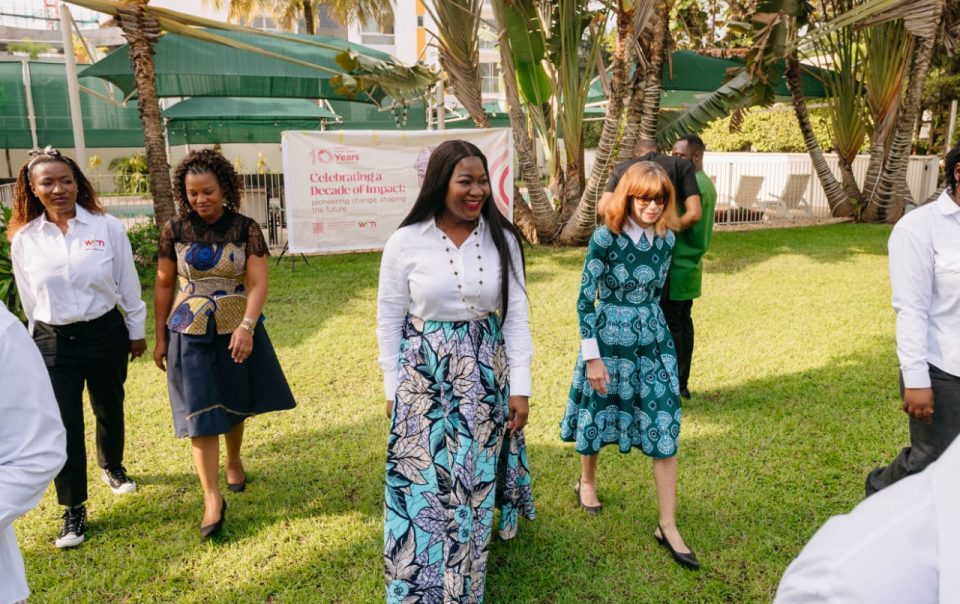
Her call is therefore a push for systemic change; one that ensures women are not just present in the industry, but fully empowered to lead, influence, and thrive.

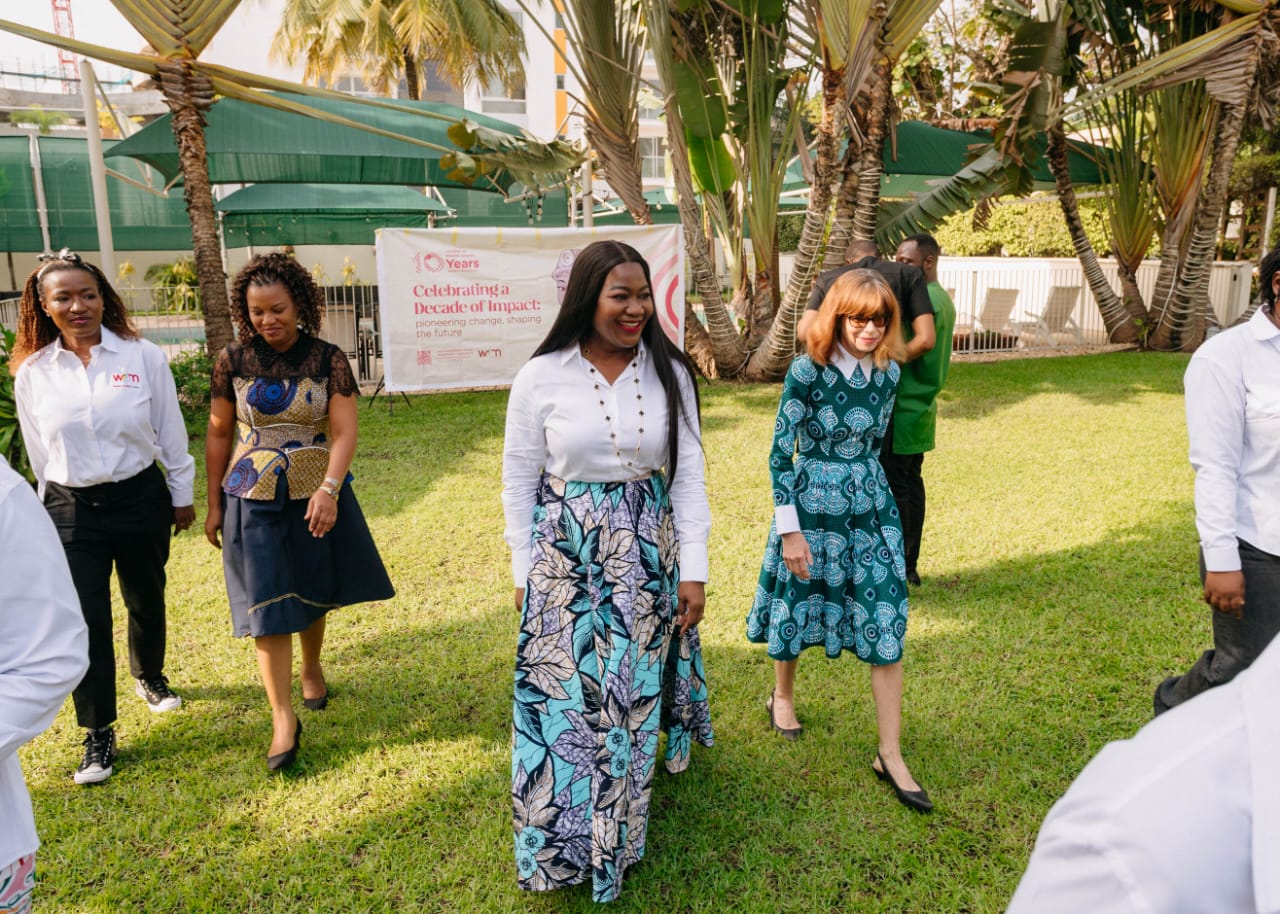
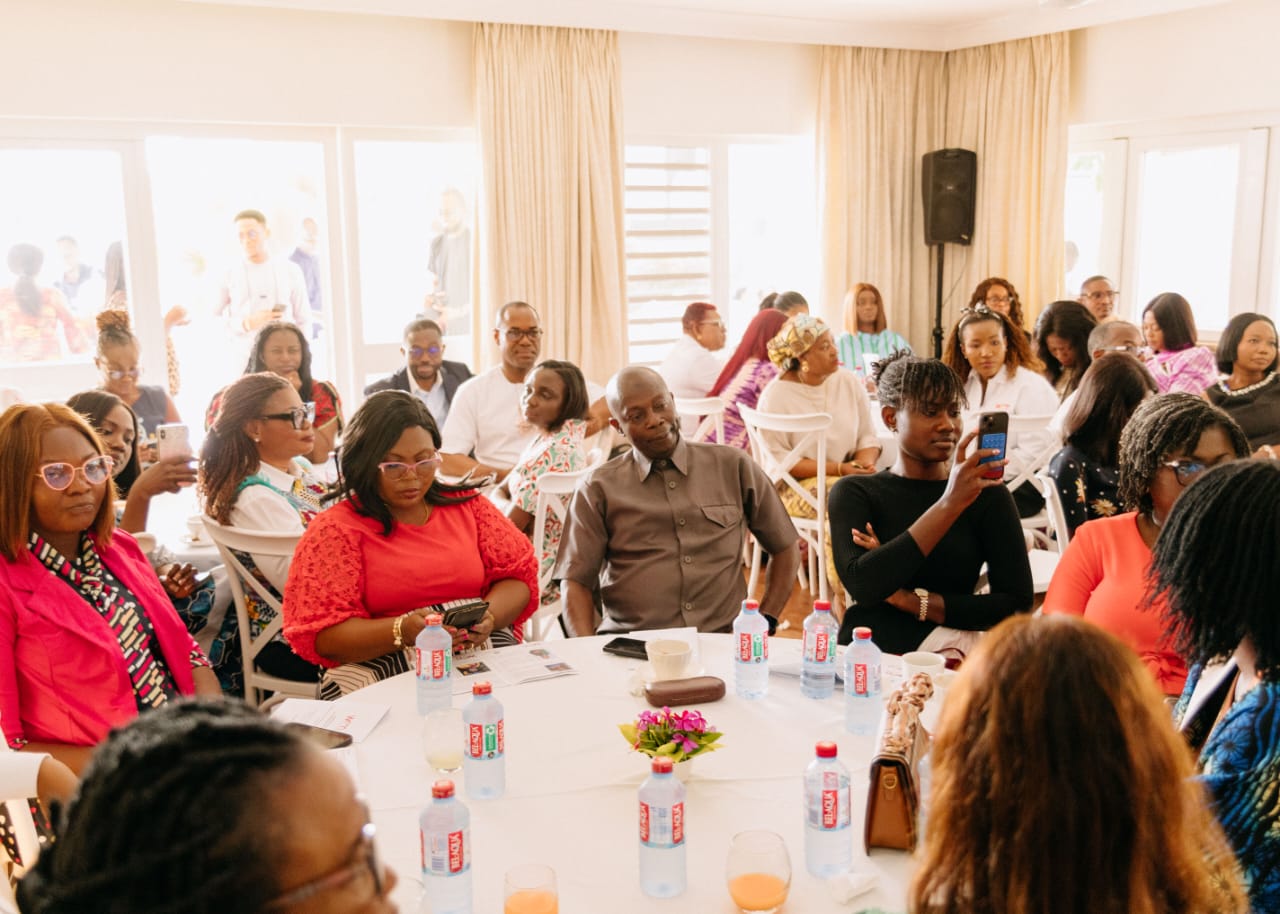
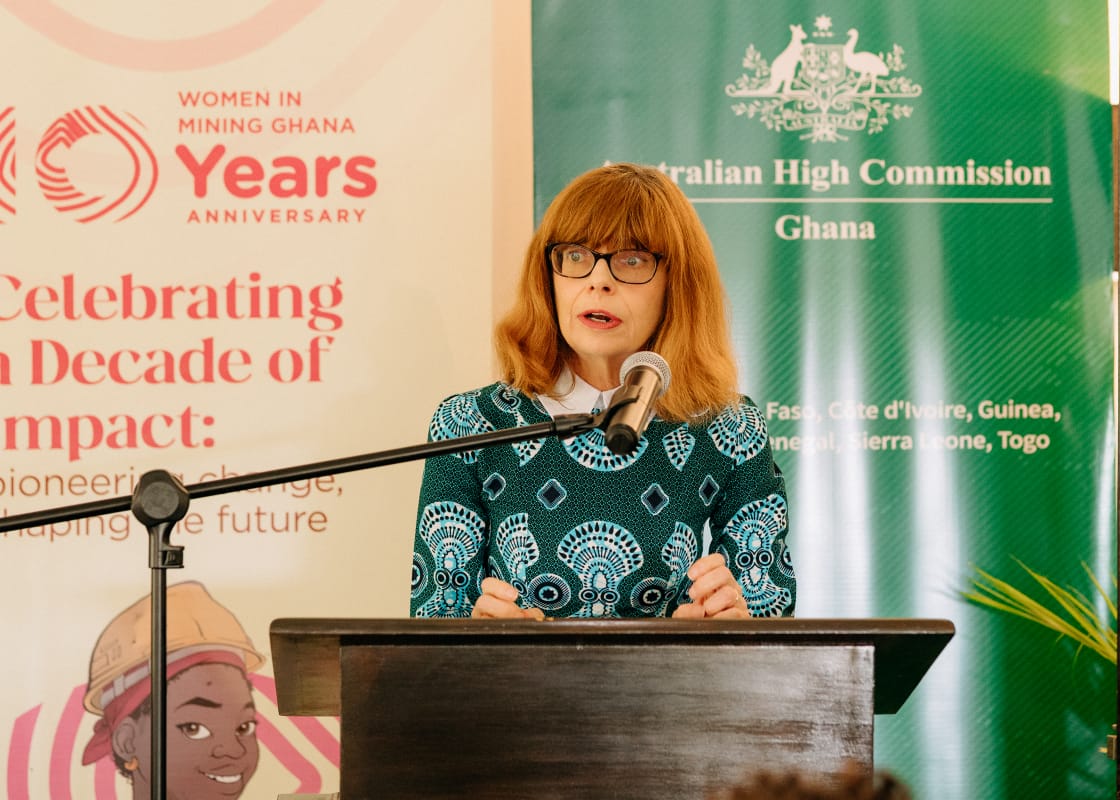
Speaking as the keynote guest, at the 10th anniversary celebration of Women in Mining Ghana (WIM Ghana) in Accra, Mrs Nelson commended WIM Ghana for a decade of “courage, resilience, and vision,” applauding the organisation for championing advocacy, leadership development, and opportunities for women in a historically male-dominated industry.
“Your work has helped shape national perceptions, amplified women’s voices, challenged stereotypes, and opened doors that were once firmly shut,” she said adding that; “MIIF salutes you.”

Drawing on the Ghana Chamber of Mines’ 2023 data, Mrs Nelson highlighted persistent gaps in women’s participation in mining.
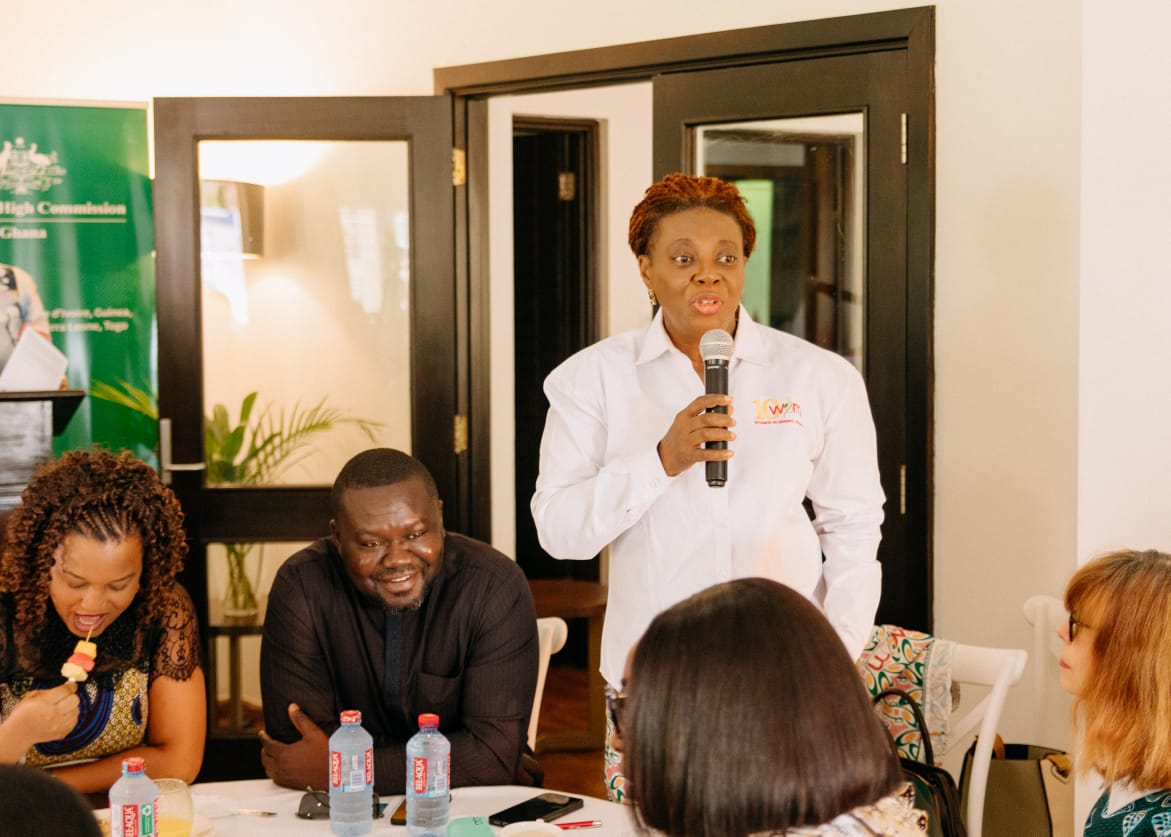
Women account for: 9–10% of the large-scale mining workforce; 9% of contractor workforce; 10% of junior-level roles; 14% of senior positions; and 21% of professional roles

“These are interesting figures, but they are far from where we need to be,” she said.
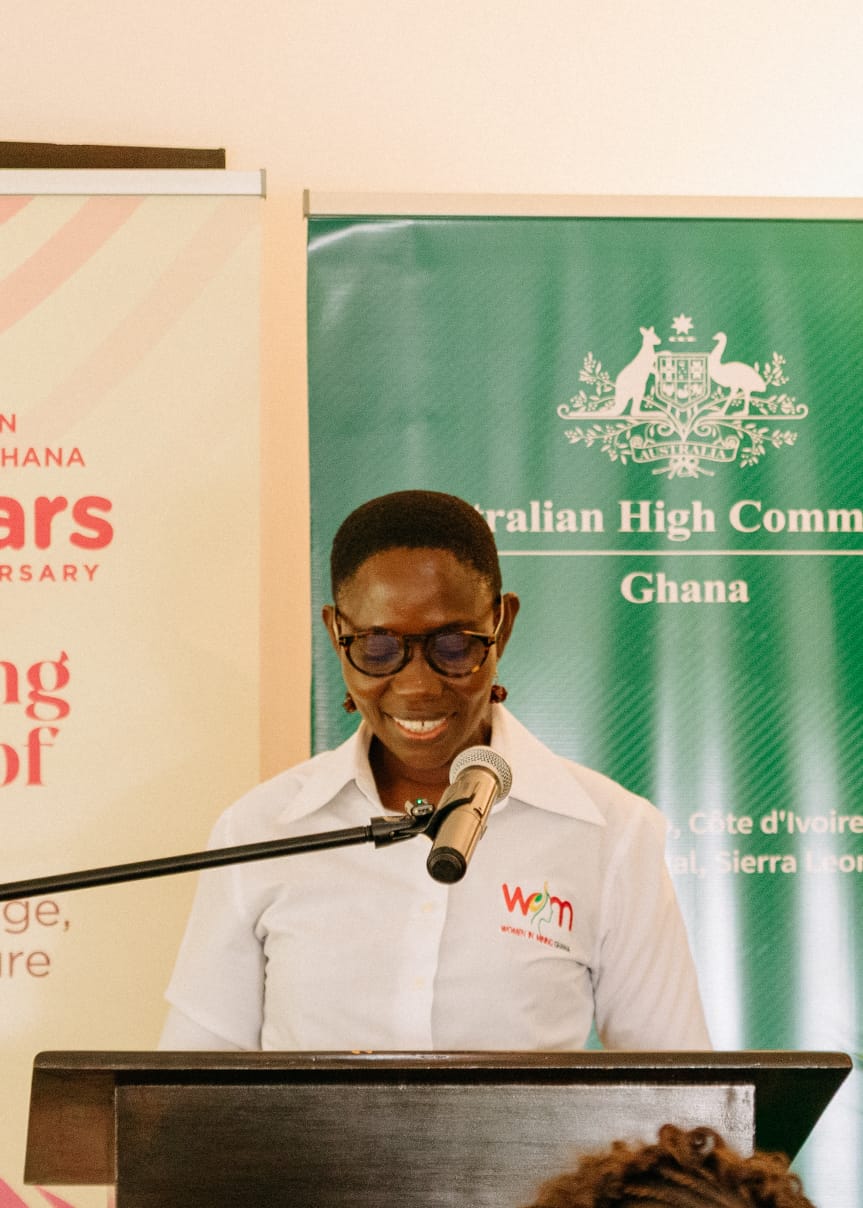
Mrs Nelson outlined the critical challenges women continue to face in the mining industry, including inequitable earnings, gender bias, and harassment.

The MIIF CEO referenced her own experience since assuming office at MIIF since the beginning of the year.
“I have been bombarded with false publications and malicious attacks simply for putting things in their right perspective,” she told the gathering.

“I stand here today not as a victim, but as a woman who refuses to be distracted. Let us hold and defend one another for we are few at the top.”
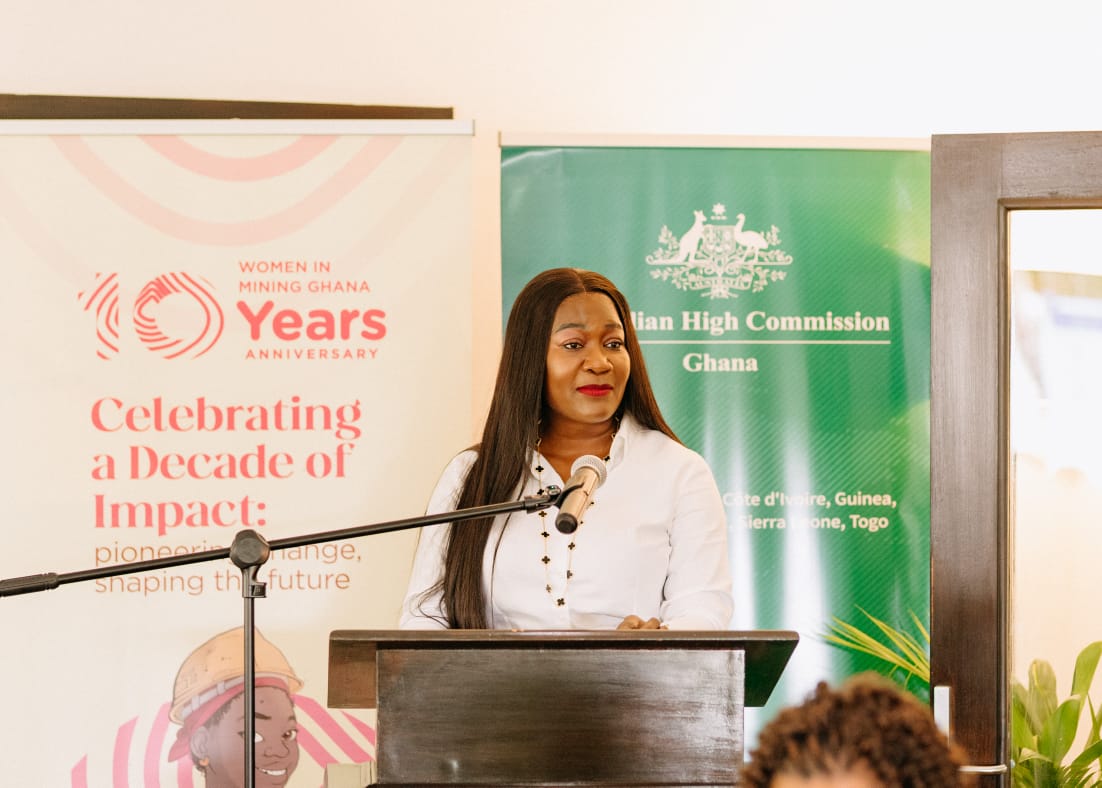
Mrs Nelson reiterated the Fund’s commitment to ensuring an inclusive and progressive mining sector.

She mentioned the Women from Mining Communities (WoMCom) Scholarship Scheme, which supports brilliant but financially needy female STEM students.

Over 90 young women from the University of Mines and Technology (UMaT), Tarkwa, have already benefited.
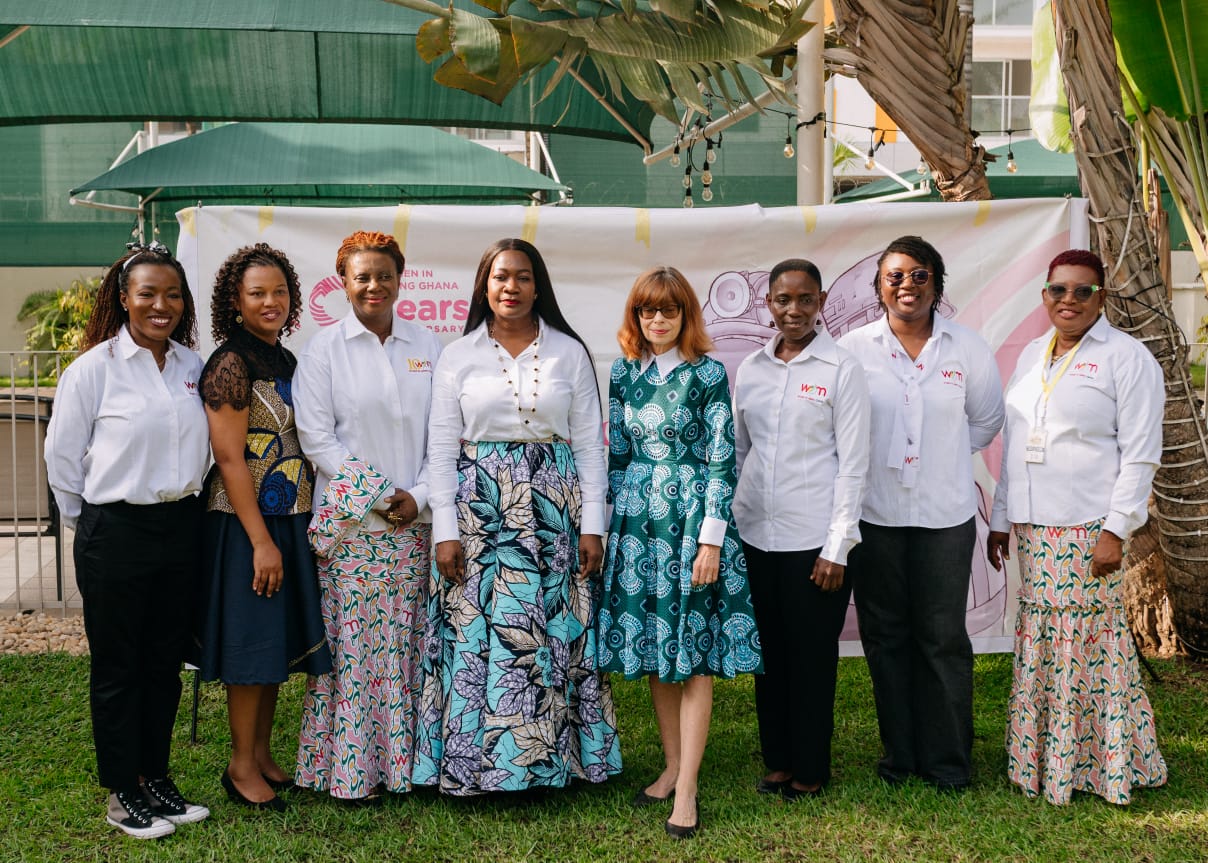
MIIF will work to broaden collaboration with local and international partners to expand the scheme to universities in the middle belt and northern Ghana in 2026, depending on corporate Ghana for support.

“Our goal is to ensure that women from mining communities are not left behind in Ghana’s mineral-driven transformation,” she said.

Mrs Nelson used the opportunity to commend corporate Ghana for their support and expressed the hope that they will continue to collaborate with the Fund to uplift more women into the mining space as part of their Corporate Social Responsibility (CSR) initiatives.

MIIF also reported significant improvements in Ghana’s mineral royalty inflows for 2025, reflecting strengthened regulatory compliance and investor confidence.

Key highlights for the first three quarters of 2025 include:

  • Large-scale gold mining: US$291.87 million in royalties — 40.18% increase from 2024
  • Mid-tier gold operations: GH₵59.44 million — 46.38% rise
  • Manganese: US$12.75 million — 170% surge
  • Quarry industry: GH₵13.15 million — 13.12% growth
  • Sand mining: GH₵433,406.41 — 21.48% increase

“These figures underscore strong momentum in Ghana’s mineral revenue outlook,” she stated.

Mrs Nelson urged stakeholders to build a mining sector where women are respected, safe, visible, and empowered.

“As MIIF continues to secure Ghana’s mineral revenues, we stand ready to partner with Women in Mining Ghana to champion a future where gender does not limit potential,” she said.

She congratulated WIM Ghana on its 10-year milestone, expressing hope that the next decade will bring even greater transformation for women in the industry.

  • END
MIIF Weekly Market Update (Week of December 8, 2025)

Welcome to the weekly market update produced by MIIF!

Every Monday, we break down significant happenings in the markets – the economy, commodities, currencies and more – in a simplified way that we believe you would find useful and is easily understandable. Whether you are planning, investing or you are just curious about happenings on the financial markets, these quick insights and smart takeaways are for you. 
 
So we urge you to check in every week and let’s get a hang of the markets together!
Get the MIIF Market Update (Issue 14) here
Misleading Use of CEO’s PAC Audio Clip

Download and read the Public Notice here.

MIIF Weekly Market Update (Week of December 1, 2025)

Welcome to the weekly market update produced by MIIF!

Every Monday, we break down significant happenings in the markets – the economy, commodities, currencies and more – in a simplified way that we believe you would find useful and is easily understandable. Whether you are planning, investing or you are just curious about happenings on the financial markets, these quick insights and smart takeaways are for you. 
 
So we urge you to check in every week and let’s get a hang of the markets together!
Get the MIIF Market Update (Issue 13) here
MIIF Weekly Market Update (Week of November 24, 2025)

Welcome to the weekly market update produced by MIIF!

Every Monday, we break down significant happenings in the markets – the economy, commodities, currencies and more – in a simplified way that we believe you would find useful and is easily understandable. Whether you are planning, investing or you are just curious about happenings on the financial markets, these quick insights and smart takeaways are for you. 
 
So we urge you to check in every week and let’s get a hang of the markets together!
Get the MIIF Market Update (Issue 12) here
Ghana, Zambia Hold Key to Rewrite Africa’s Mining Narrative – Justina Nelson

The Chief Executive Officer of the Minerals Income Investment Fund (MIIF or the Fund), Mrs Justina Nelson, has stated that Ghana and Zambia have a strong opportunity to collaborate to optimize their mineral resources for the benefit of present and future generations within their respective countries.

She noted that the two mineral-rich nations can also learn from each other’s experiences, share technical expertise, and explore co-investment opportunities in areas of mutual interest within the mineral value chain as they look forward to re-writing the narrative about the continent’s fledging mining sector.

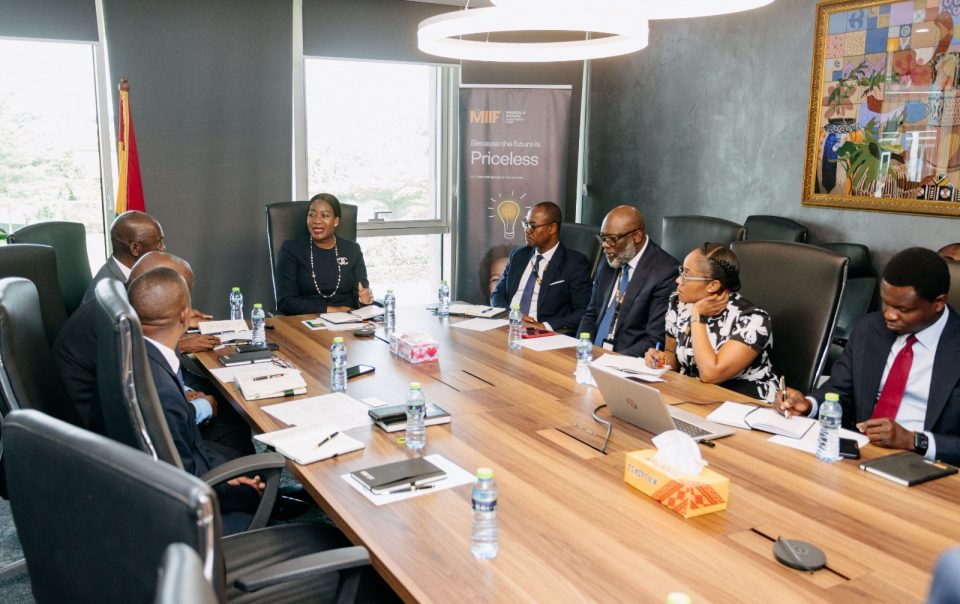
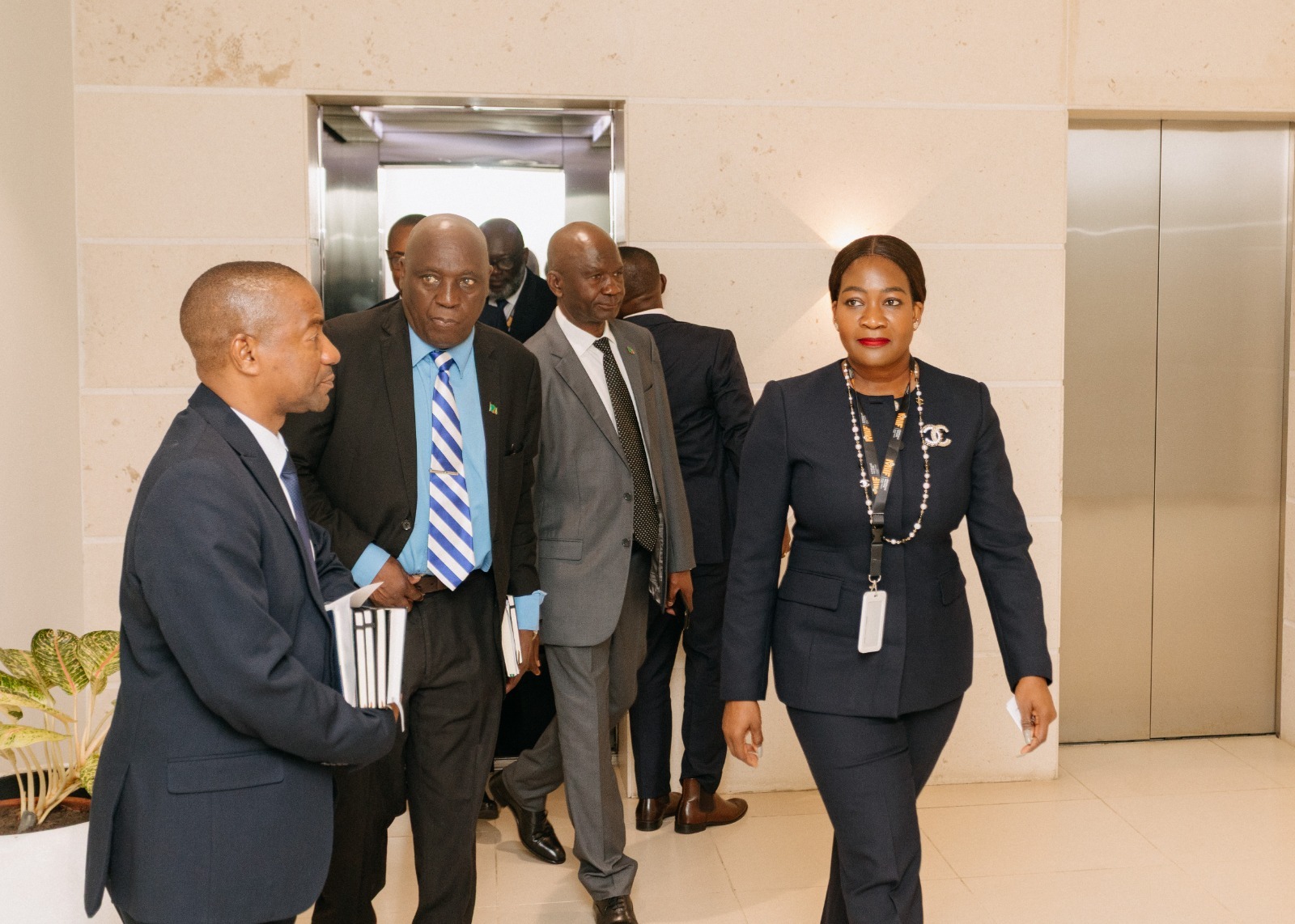
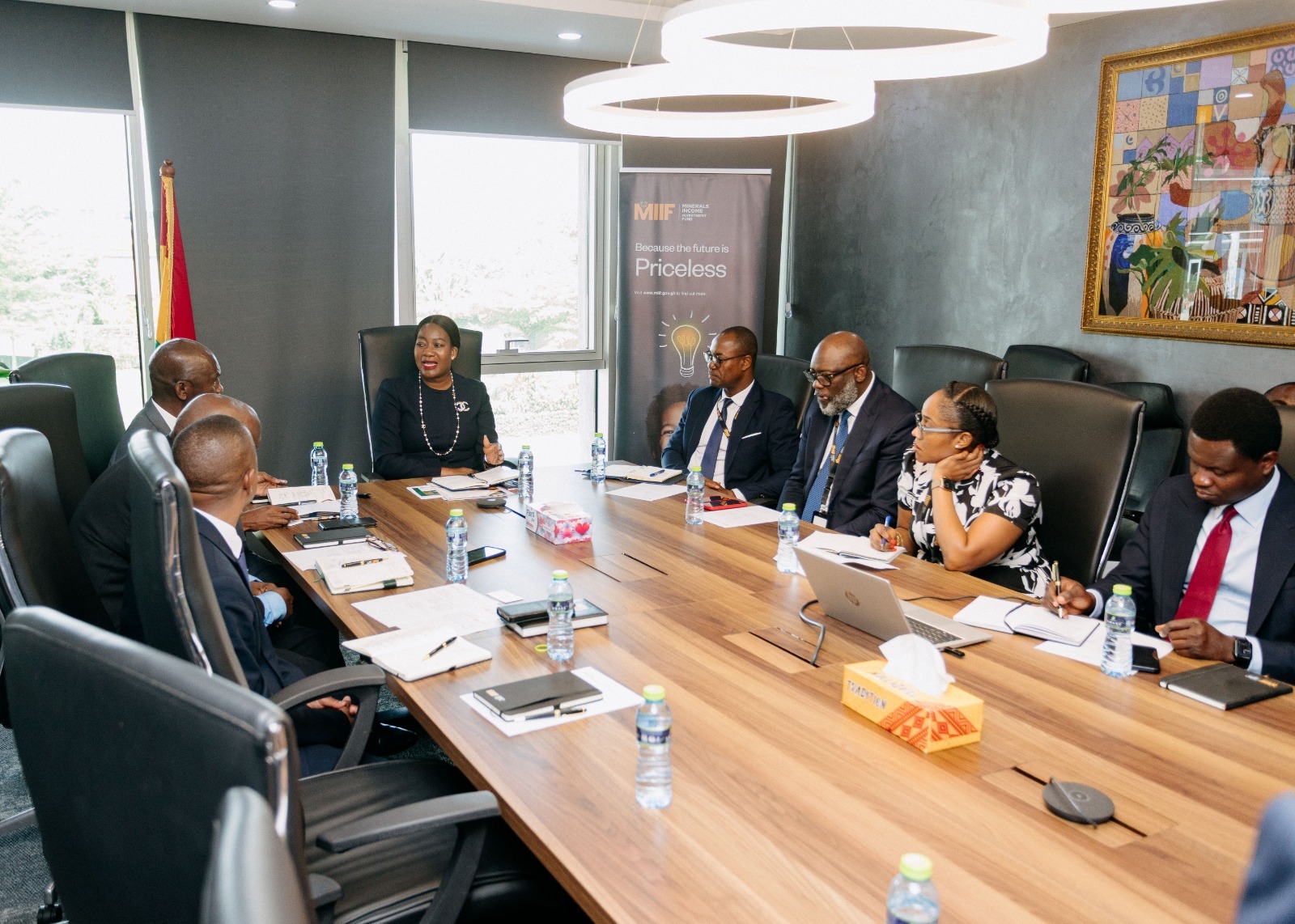
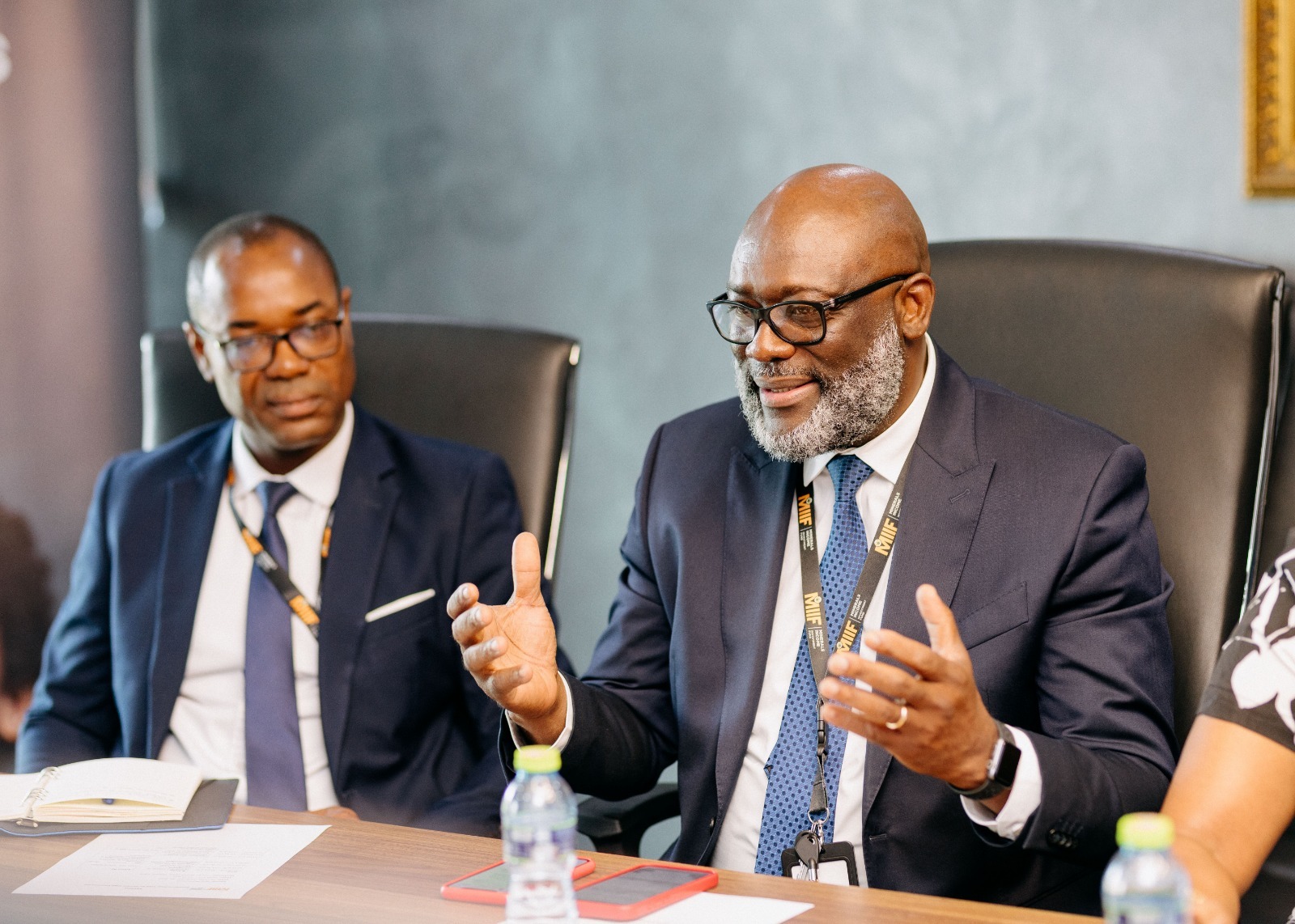
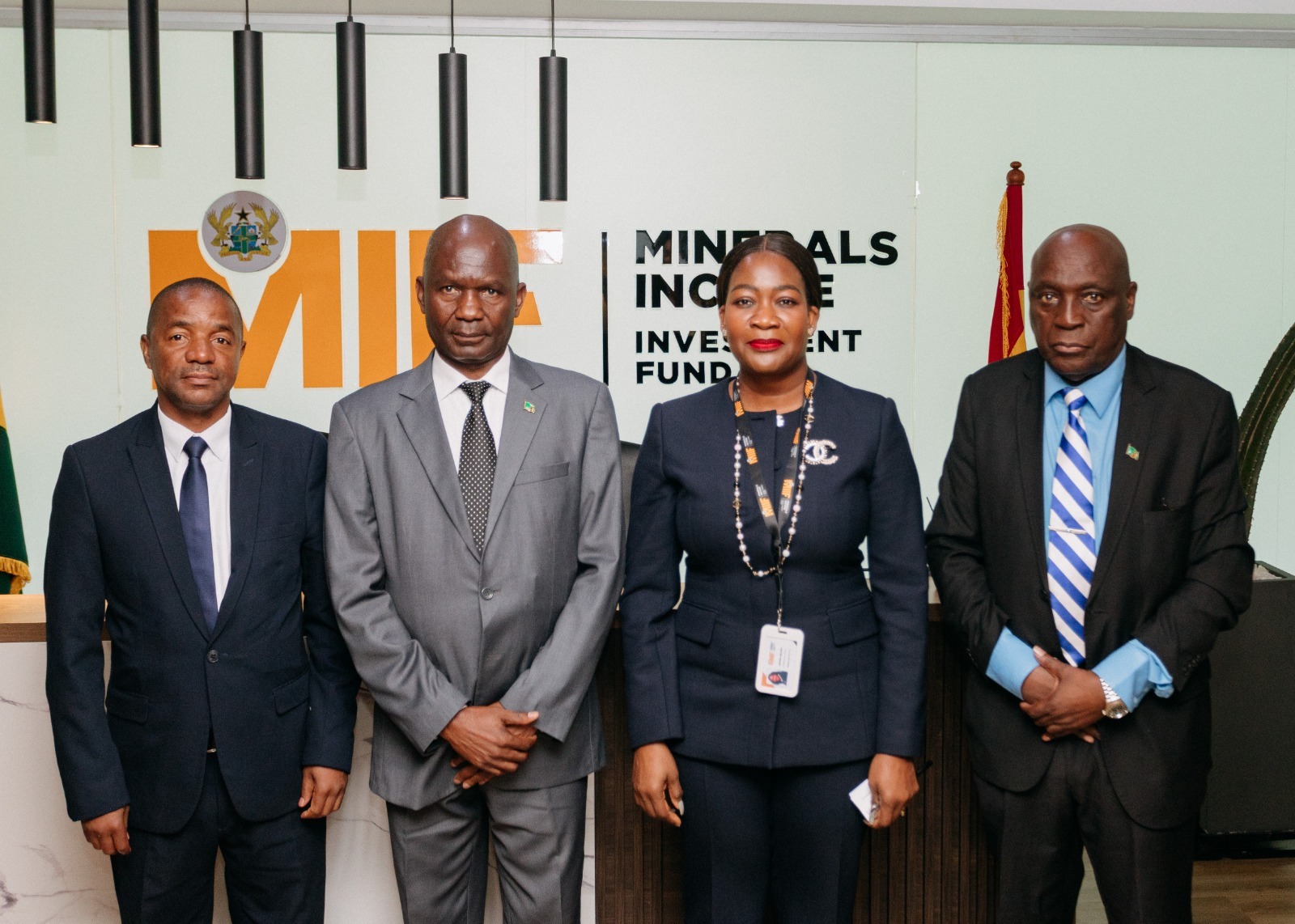
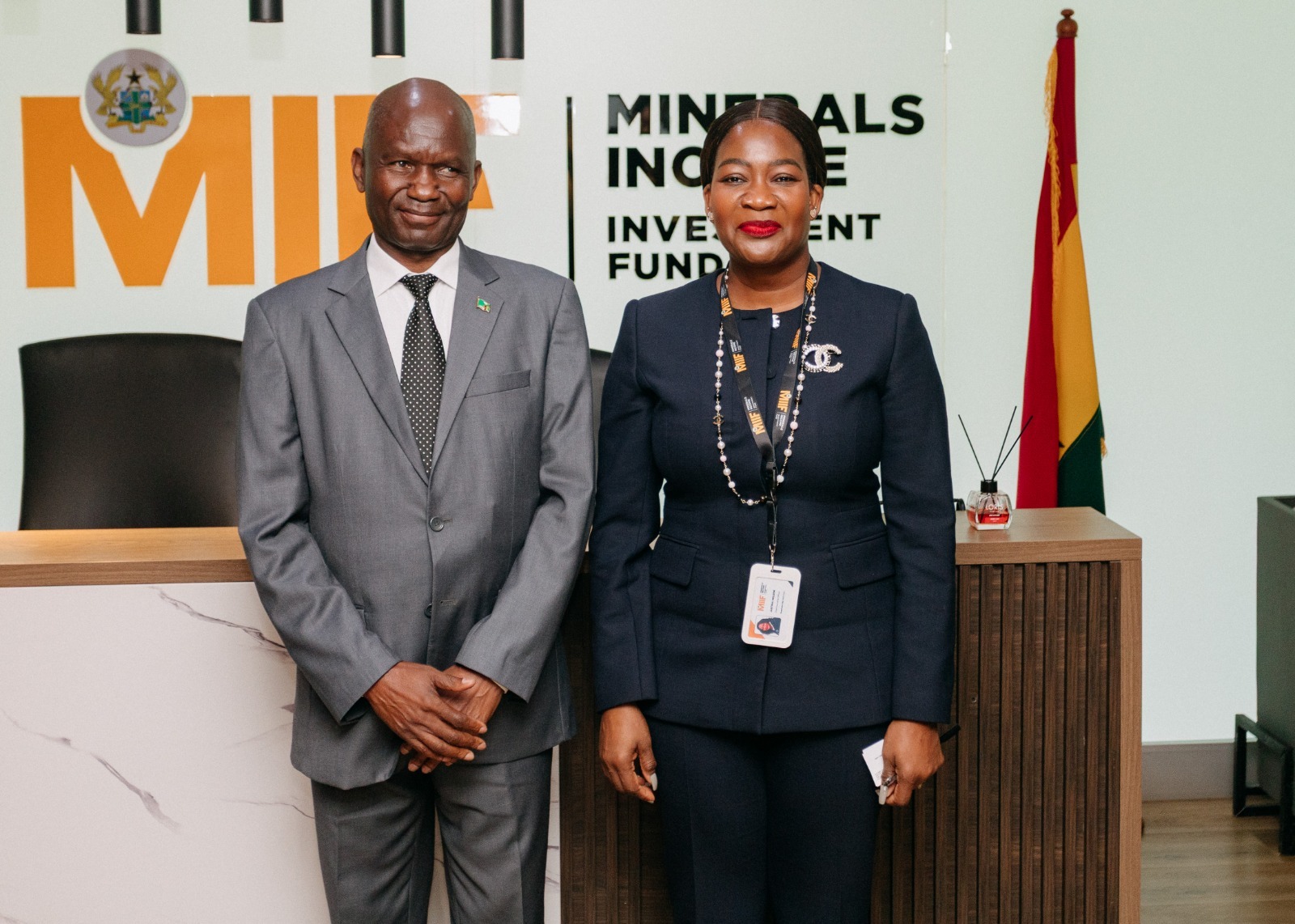
Mrs Nelson made the observation when MIIF hosted the High Commissioner of the Republic of Zambia to Ghana, Mr Daniel Mahongo, and his delegation during a familiarization visit aimed at strengthening bilateral cooperation within Africa’s mineral value chain.

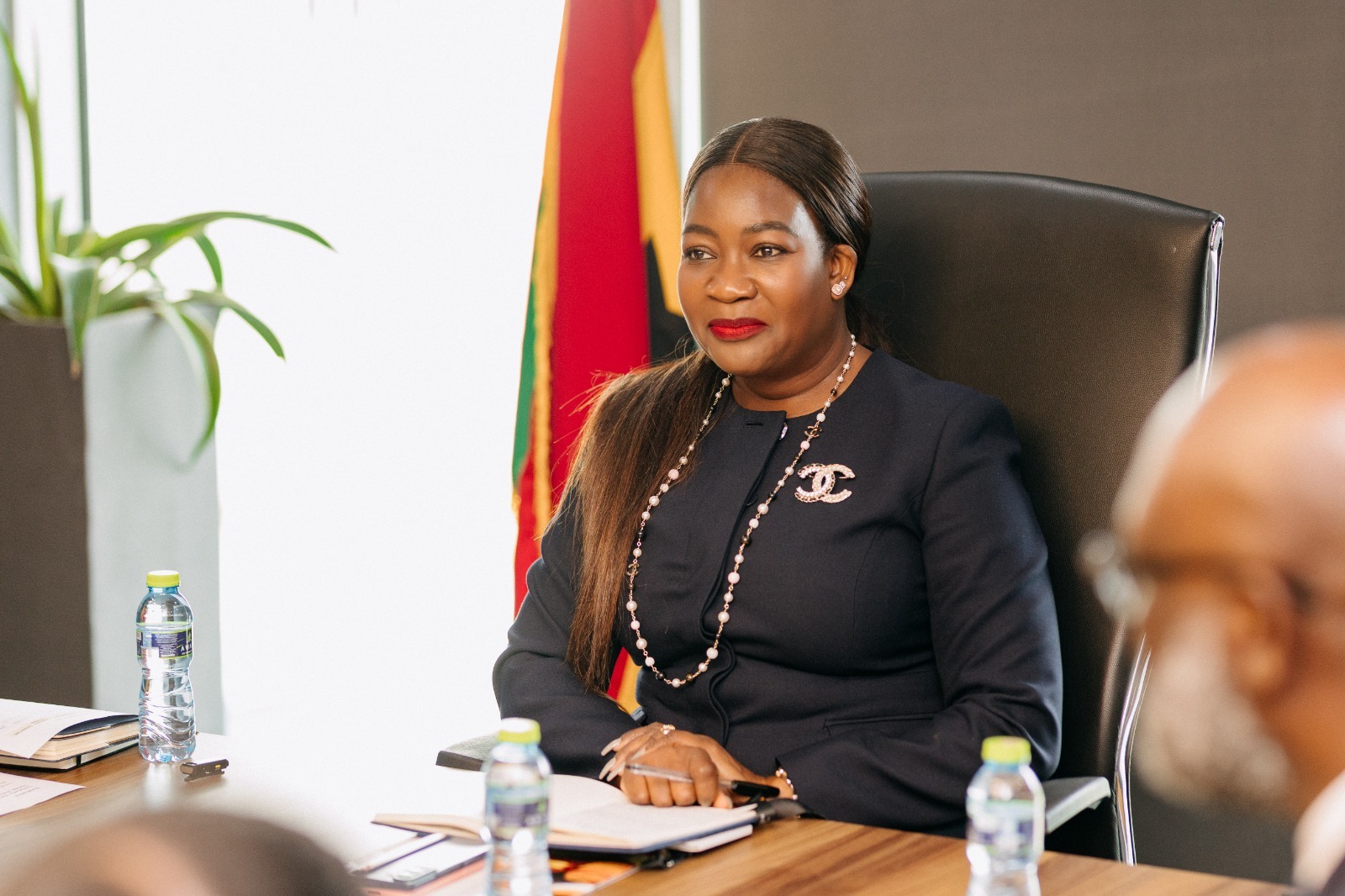
Welcoming the delegation, MIIF’s Chief Executive Officer, described the visit as a significant step toward deepening collaboration between Ghana and Zambia, two mineral-rich nations committed to transforming natural resource wealth into sustainable, long-term prosperity.

Mrs Nelson noted that MIIF, Ghana’s sovereign wealth fund for mineral revenues, remains focused on maximizing value from the country’s mineral portfolio, including gold, lithium, manganese, diamonds, and emerging critical minerals, through strategic investment, value addition, local content development, and intergenerational wealth creation.

She highlighted Zambia’s leadership in the copper and cobalt sectors and emphasized the mutual opportunities for learning, investment, and partnership across both countries’ mineral ecosystems.

During the meeting, MIIF through two elaborate presentations, shared insights into its governance structure, investment philosophy, and risk management frameworks, while the Zambian delegation outlined its priorities in export diversification, investment promotion, and economic transformation.

Both sides identified key areas for collaboration, including joint investments, technical cooperation, beneficiation strategies, and the development of Africa’s emerging 24-hour mining economy.

Consequently, MIIF proposed the establishment of a Joint Technical Working Group to advance these commitments.

Mrs Nelson expressed appreciation for the productive engagement, expressing confidence that the visit marks the beginning of a strong and enduring partnership that will deliver measurable benefits to both countries.

Mr Mahongo on his part, expressed gratitude to MIIF for the warm reception and opportunity to engage.

He reaffirmed Zambia’s commitment to leverage its mineral wealth for development, industrialization, and diversification, highlighting ongoing reforms in state participation, licensing, Artisanal Small-Scale Mining (ASM) formalization, and innovative investment vehicles.

He emphasized Zambia’s interest in learning from MIIF’s governance and portfolio strategies to enhance responsible and sustainable mineral income management.

The High Commissioner used the opportunity to outline Zambia’s openness to regional cooperation through Memorandum of Understanding (MoU), joint initiatives, and engaging the private sector in downstream mining, processing, and royalty-backed investments.

Mr Mahongo expressed confidence that stronger collaboration will support Zambia’s reform agenda, promote sustainable growth, and turn its mineral resources into long-term national prosperity.

MIIF Weekly Market Update (Week of November 17, 2025)

Welcome to the weekly market update produced by MIIF!

Every Monday, we break down significant happenings in the markets – the economy, commodities, currencies and more – in a simplified way that we believe you would find useful and is easily understandable. Whether you are planning, investing or you are just curious about happenings on the financial markets, these quick insights and smart takeaways are for you. 
 
So we urge you to check in every week and let’s get a hang of the markets together!
Get the MIIF Market Update (Issue 11) here
Maximizing value from Africa’s mining wealth, a shared responsibility

– Reflections from the 2nd Zambia Mining and Investment INSAKA


By Justina Nelson, CEO, Minerals Income Investment Fund

For centuries, minerals on the African continent have long symbolized prosperity and potential. From Ghana’s gold to Zambia’s copper, South Africa’s platinum, and the Democratic Republic of Congo’s cobalt, the continent’s mineral endowment can be best described as a blessing to the continent.

Unfortunately, many resource-rich African nations still face persistent fiscal deficits, limited infrastructure, and constrained social development to say the least.

Architecture of revenue leakages

From production to export and taxation, revenue leakages occur at various stages of the mining value chain. According to the Intergovernmental Forum on Mining, Minerals, Metals and Sustainable Development (IGF 2018), fiscal losses from tax incentives alone have cost several African countries billions. In Sierra Leone, for example, tax concessions between 2014 and 2016 were estimated to equal the country’s entire 2014 budget deficit (IGF, 2018).

In Ghana, the state loses a lot of money due to transfer pricing manipulation and under-declaration of mineral exports. The Ghana Extractive Industries Transparency Initiative (GHEITI) on the mining sector for 2021/2022 shows that, differences in declared export values allegedly pointed to cases of under-invoicing. In the Democratic Republic of Congo (DRC), the OECD (2022) also found that illegal mineral exports through informal routes made up more than 20% of total production in some regions.

These losses, known as fiscal leakages, often occur because of aggressive tax practices; where companies use complex but legal methods to avoid paying their fair share of taxes. This includes shifting profits to low-tax countries, overstating expenses, or using tax holidays to reduce payments. Other leakages happen when companies underreport production or inflate costs. In addition, corruption and weak oversight often prevent mining revenues from being used for national development.


Transfer pricing and cost of complexity

A particularly complex challenge lies in transfer pricing abuse where multinational mining companies shift profits to low-tax jurisdictions. The African Tax Administration Forum (ATAF) estimates that Africa loses over US$50 billion annually to such illicit financial flows. In the mining sector, this often takes the form of undervalued mineral exports, excessive management fees, or inter-company loans with unrealistic interest rates.

This means that sector-specific transfer pricing regulations, tailored to the realities of mineral valuation, are most needed. Zambia has introduced mining-specific rules requiring benchmarking of export prices against international commodity indices, a practice that has improved transparency and reduced disputes with mining companies. Ghana is following suit by strengthening its Transfer Pricing Unit within the Ghana Revenue Authority to focus on high-risk sectors such as gold, manganese and bauxite.

Beyond these tax reforms, training tax officials in mineral economics, advanced auditing, and establishing specialized extractive-industry audit units as recommended by ATAF and the United Nations Economic Commission for Africa (UNECA) will help African countries better detect and prevent profit shifting.


Technology and transparency

Ghana is doing a lot when it comes to the use of technology and ensuring transparency. It is, therefore, clear that digital transformation offers Africa an unprecedented opportunity to plug leaks in the mining value chain. Blockchain-based mineral tracking, satellite monitoring, and digital export valuation systems can drastically improve oversight. Mozambique, for example, has begun linking export declarations to real-time global commodity prices, ensuring fair valuation.

The Minerals Income Investment Fund (‘MIIF or the Fund’) is championing similar digital approaches by integrating data from the Minerals Commission, Ghana Revenue Authority, and Bank of Ghana to enhance transparency in royalty flows and investment returns. The aim is to ensure that every ounce of mineral extracted translates into measurable national value.

At the continental level, it is a known fact that, initiatives like the African Mining Legislation Atlas (AMLA) and the African Union’s Green Minerals Strategy (2023) provide frameworks for harmonizing regulations and promoting transparency across jurisdictions. When paired with the Extractive Industries Transparency Initiative (EITI)’s disclosure requirements, these innovations can illuminate the financial and operational blind spots that allow revenue losses to persist.


Continental case studies

At the just-ended Zambia Mining and Investment INSAKA 2025, the Zambian President Hakainde Hichilema pointed out that his government has prioritized transparency in mining agreements, publishing all contracts and reviewing royalty frameworks to ensure fairer distribution of returns. The INSAKA of which MIIF participated clearly underscored the need for data-driven governance and regional cooperation to combat illicit financial flows.

South Africa presents another instructive case; the South African Revenue Service (SARS) has established specialized transfer pricing units and adopted advanced data analytics to track financial discrepancies in mineral exports. Combined with robust collaboration between the Department of Mineral Resources and the Treasury, this has strengthened compliance and revenue forecasting.

Meanwhile, Ghana’s MIIF model, established under the Minerals Income Investment Fund Act, 2018 (Act 978) as amended, has become an example of how sovereign wealth management can secure long-term benefits from finite resources. MIIF invests part of Ghana’s mineral income into strategic sectors, stabilizing fiscal inflows and building intergenerational wealth.


Data usage

Accurate mineral valuation begins with reliable data. This is why governments must invest in modern laboratories, geological surveys, and digital reporting systems. Training of geoscientists, customs officials, and financial auditors is very important in the maximization of value from Africa’s mineral wealth. The World Bank’s Extractives Global Programmatic Support (EGPS) revealed that countries with robust technical systems for mineral reporting earn up to 20% more in mining-related revenues than those without.

Regional cooperation matters. Collaborative platforms such as the African Minerals Development Centre (AMDC), can help countries share expertise, standardize data protocols, and align valuation methodologies. When mineral data is transparent, credible, and comparable across borders, illicit trade becomes far harder to conceal.


Recommendation

Beyond preventing leakages, African nations must manage their mining revenues wisely. Resource-backed sovereign wealth funds, such as Ghana’s MIIF, Botswana’s Pula Fund, and Angola’s Sovereign Wealth Fund, helps to stabilize economies against commodity shocks. By investing in diversified assets, infrastructure, and local value addition, these funds transform mineral wealth into long-term national prosperity.

Furthermore, leveraging on digital revenue-tracking systems, integrated with customs, finance, and mining databases, ensures that every transaction is recorded, audited, and traceable. For example, Blockchain-based traceability solutions are already being piloted in the Democratic Republic of Congo’s (DRC’s) cobalt supply chain, improving accountability in one of the world’s most least transformed markets.


Conclusion

Judging from the various occurrences around Africa’s minerals, it is evident that natural resources are not a curse; they are an opportunity. However, that opportunity must be seized with foresight, discipline, and cooperation. By plugging revenue leakages, enforcing transparency, and building regional capacity, African nations can ensure that their vast mineral wealth funds schools, hospitals, roads, jobs, and builds a future for the unborn and not illicit outflows or offshore accounts.

As stewards of the continent’s resources, we must commit to this new paradigm of accountability. Collaboration among tax authorities, investors, civil societies, and multilateral partners is key. The Minerals Income Investment Fund, and institutions like it across the continent, stand ready to lead that charge, transforming Africa’s mineral endowment into a foundation for inclusive and sustainable development.

MIIF Weekly Market Update (Week of November 10, 2025)

Welcome to the weekly market update produced by MIIF!

Every Monday, we break down significant happenings in the markets – the economy, commodities, currencies and more – in a simplified way that we believe you would find useful and is easily understandable. Whether you are planning, investing or you are just curious about happenings on the financial markets, these quick insights and smart takeaways are for you. 
 
So we urge you to check in every week and let’s get a hang of the markets together!
Get the MIIF Market Update (Issue 10) here
MIIF Weekly Market Update (Week of November 03, 2025)

Welcome to the weekly market update produced by MIIF!

Every Monday, we break down significant happenings in the markets – the economy, commodities, currencies and more – in a simplified way that we believe you would find useful and is easily understandable. Whether you are planning, investing or you are just curious about happenings on the financial markets, these quick insights and smart takeaways are for you. 
 
So we urge you to check in every week and let’s get a hang of the markets together!
Get the MIIF Market Update (Issue 9) here
‹ Previous1234567Next ›Last »
Page 3 of 14


Quick Links

About Us
Leadership
Investments
Reports
CSR

Services

Contact Us
Resources & Tools

Newsletters

Facebook Linkedin Twitter
Copyright © 2025 MIIF
Developed by