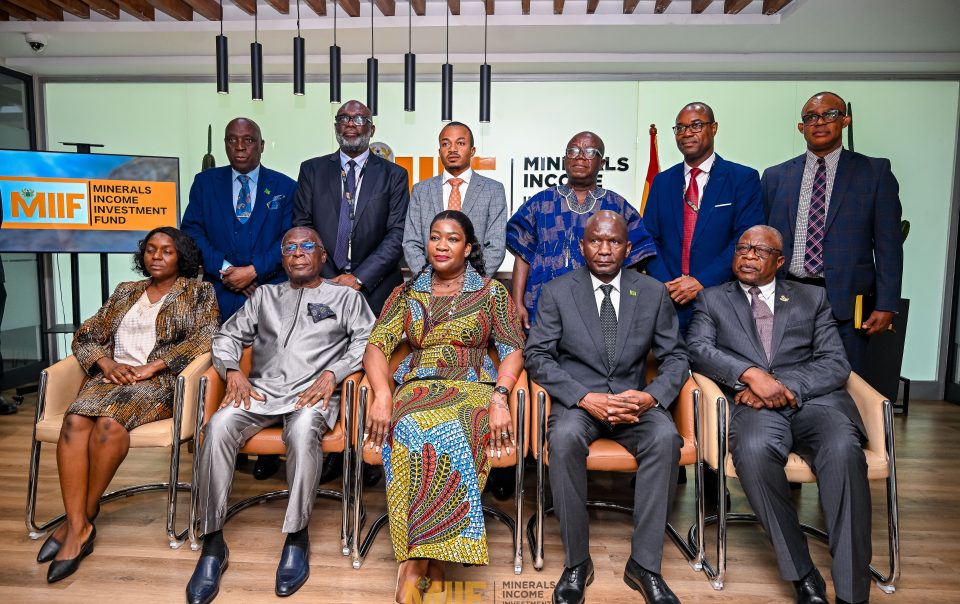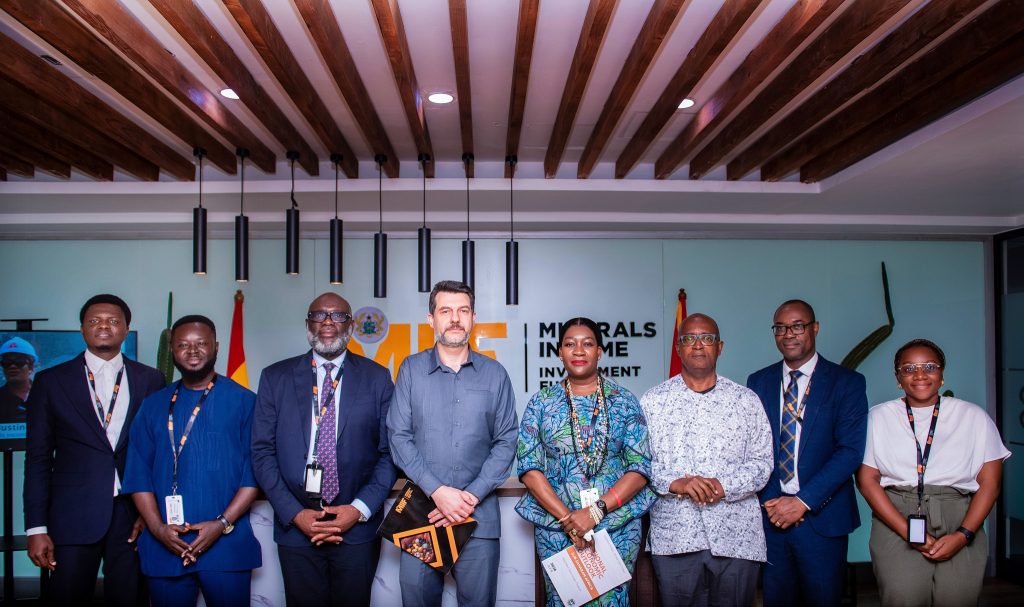
The Chief Executive Officer of the Minerals Income Investment Fund (MIIF), Mrs. Justina Nelson, has called for procurement to be treated as a strategic function that protects public resources, strengthens governance and creates long-term value.
In a speech read on her behalf by the Chief Finance Officer of MIIF, Mr. David Awuah Mensah at the CIPS West Africa Meet & Connect, Mrs. Nelson said procurement at MIIF goes beyond purchasing goods and services, stressing that every cedi entrusted to the Fund carries a responsibility to deliver value for money.
She said value for money should not be defined solely by the lowest price, but by a careful balance of cost, quality, risk, performance and long-term benefits saying: “procurement is not simply about buying. It is about making choices that protect and create value.”
Mrs. Nelson emphasised that effective procurement must extend beyond contract award to supplier and contract management, ensuring that agreed standards, timelines and deliverables are met and that contracts protect the interests of the organisation.
“Value is not realised when a contract is signed; it is realised when the contract delivers,” she said.
She further urged procurement professionals to embrace a strategic role by anticipating organisational needs, managing suppliers, identifying risks and supporting better decision-making.
She said procurement could also strengthen organisational resilience, drive innovation and promote sustainability by connecting institutions to reliable suppliers, technologies and expertise.
Mrs. Nelson said MIIF ultimately measures procurement by outcomes, including whether it protects taxpayers’ resources, reduces risk, strengthens governance, improves performance and creates lasting value.
“The future of procurement is therefore not transactional. It is strategic,” she said.
Adding to the call for stronger procurement practices, the Head of Procurement at MIIF, Mrs. Theresa Gyasi-Antwi, who participated in a panel discussion at the event, challenged procurement professionals to uphold high ethical and professional standards in the discharge of their responsibilities.
She emphasised that professionalism and ethical conduct were essential to building confidence and trust between procurement officers and organisational leadership.
“As procurement colleagues, let us be professional in our work and we will earn the trust of our bosses,” she said.
She urged practitioners to recognise that their conduct and decisions have implications not only for their organisations but also for the credibility of the procurement profession.