Close
  • Home
  • About Us
    • Who We Are
    • Governance & Leadership
    • Stakeholders
    • Corporate Social Responsibility
    • Contact Us
  • Royalties & Dividends Portfolio
  • Investments
    • Overview & Principles
    • Investment Considerations
    • Special Purpose Vehicles
    • Policies & Reports
    • Legislations
  • Special Projects
    • Small-Scale Mining Incubation Program
    • Quarry Value Addition Program
    • MIIF Surveillance Project
  • Resources & Tools
    • Geo-Mapping System
  • Media
    • Recent News
    • Gallery
  • Home
  • About Us
    • Who We Are
    • Governance & Leadership
    • Stakeholders
    • Corporate Social Responsibility
    • Contact Us
  • Royalties & Dividends Portfolio
  • Investments
    • Overview & Principles
    • Investment Considerations
    • Special Purpose Vehicles
    • Policies & Reports
    • Legislations
  • Special Projects
    • Small-Scale Mining Incubation Program
    • Quarry Value Addition Program
    • MIIF Surveillance Project
  • Resources & Tools
    • Geo-Mapping System
  • Media
    • Recent News
    • Gallery
Twitter Facebook Linkedin
Facebook Linkedin Twitter

Menu

  • Home
  • About Us
    • Who We Are
    • Governance & Leadership
    • Stakeholders
    • Corporate Social Responsibility
    • Contact Us
  • Royalties & Dividends Portfolio
  • Investments
    • Overview & Principles
    • Investment Considerations
    • Special Purpose Vehicles
    • Policies & Reports
    • Legislations
  • Special Projects
    • Small-Scale Mining Incubation Program
    • Quarry Value Addition Program
    • MIIF Surveillance Project
  • Resources & Tools
    • Geo-Mapping System
  • Media
    • Recent News
    • Gallery

Facebook Linkedin Twitter Youtube
  • Home
  • About Us
    • Who We Are
    • Governance & Leadership
    • Stakeholders
    • Corporate Social Responsibility
    • Contact Us
  • Royalties & Dividends Portfolio
  • Investments
    • Overview & Principles
    • Investment Considerations
    • Special Purpose Vehicles
    • Policies & Reports
    • Legislations
  • Special Projects
    • Small-Scale Mining Incubation Program
    • Quarry Value Addition Program
    • MIIF Surveillance Project
  • Resources & Tools
    • Geo-Mapping System
  • Media
    • Recent News
    • Gallery
Facebook Linkedin Twitter

Menu

  • Home
  • About Us
    • Who We Are
    • Governance & Leadership
    • Stakeholders
    • Corporate Social Responsibility
    • Contact Us
  • Royalties & Dividends Portfolio
  • Investments
    • Overview & Principles
    • Investment Considerations
    • Special Purpose Vehicles
    • Policies & Reports
    • Legislations
  • Special Projects
    • Small-Scale Mining Incubation Program
    • Quarry Value Addition Program
    • MIIF Surveillance Project
  • Resources & Tools
    • Geo-Mapping System
  • Media
    • Recent News
    • Gallery

Press Releases

MIIF Holds Strategic Planning Session to Reposition Fund for World-Class Performance

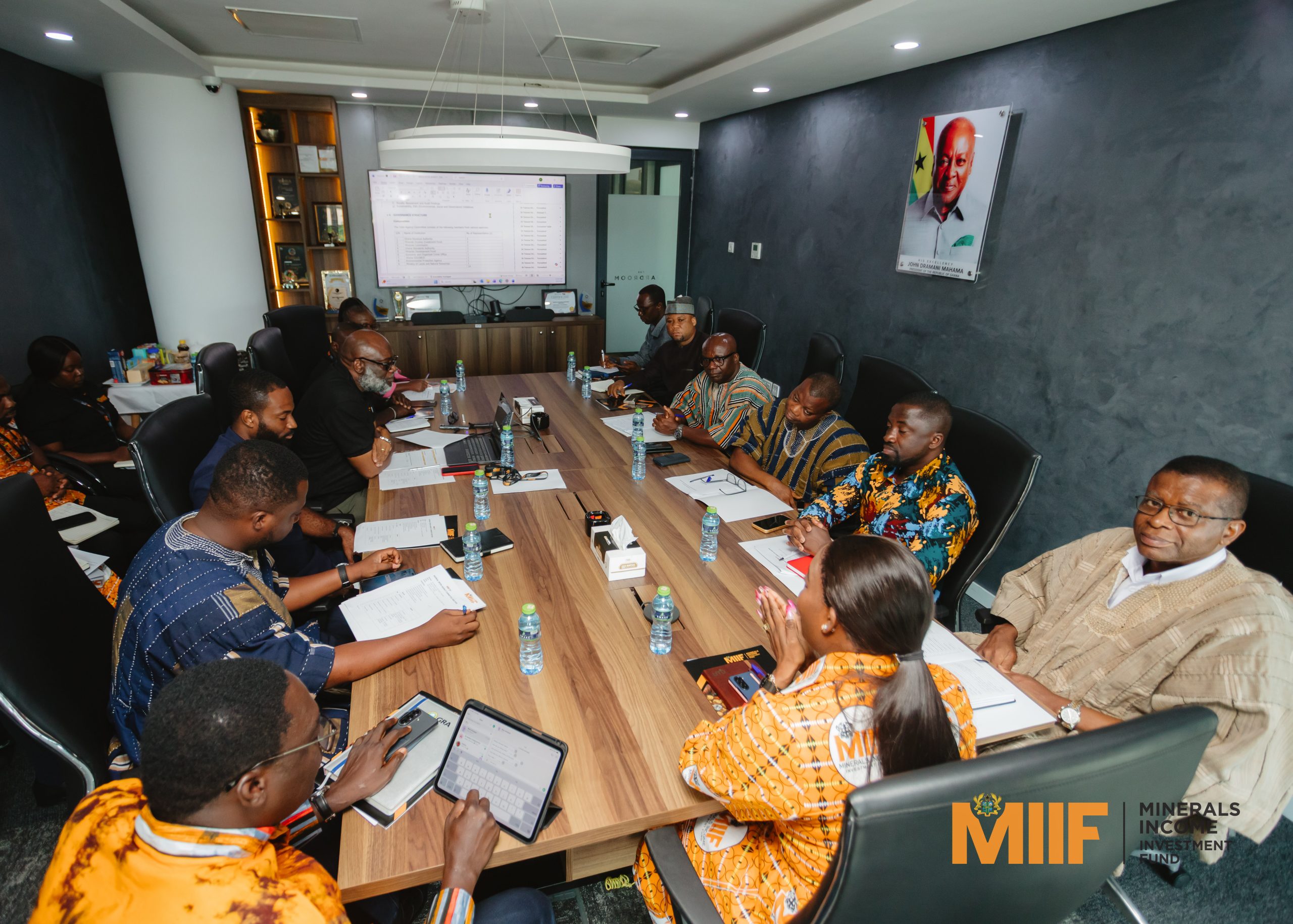
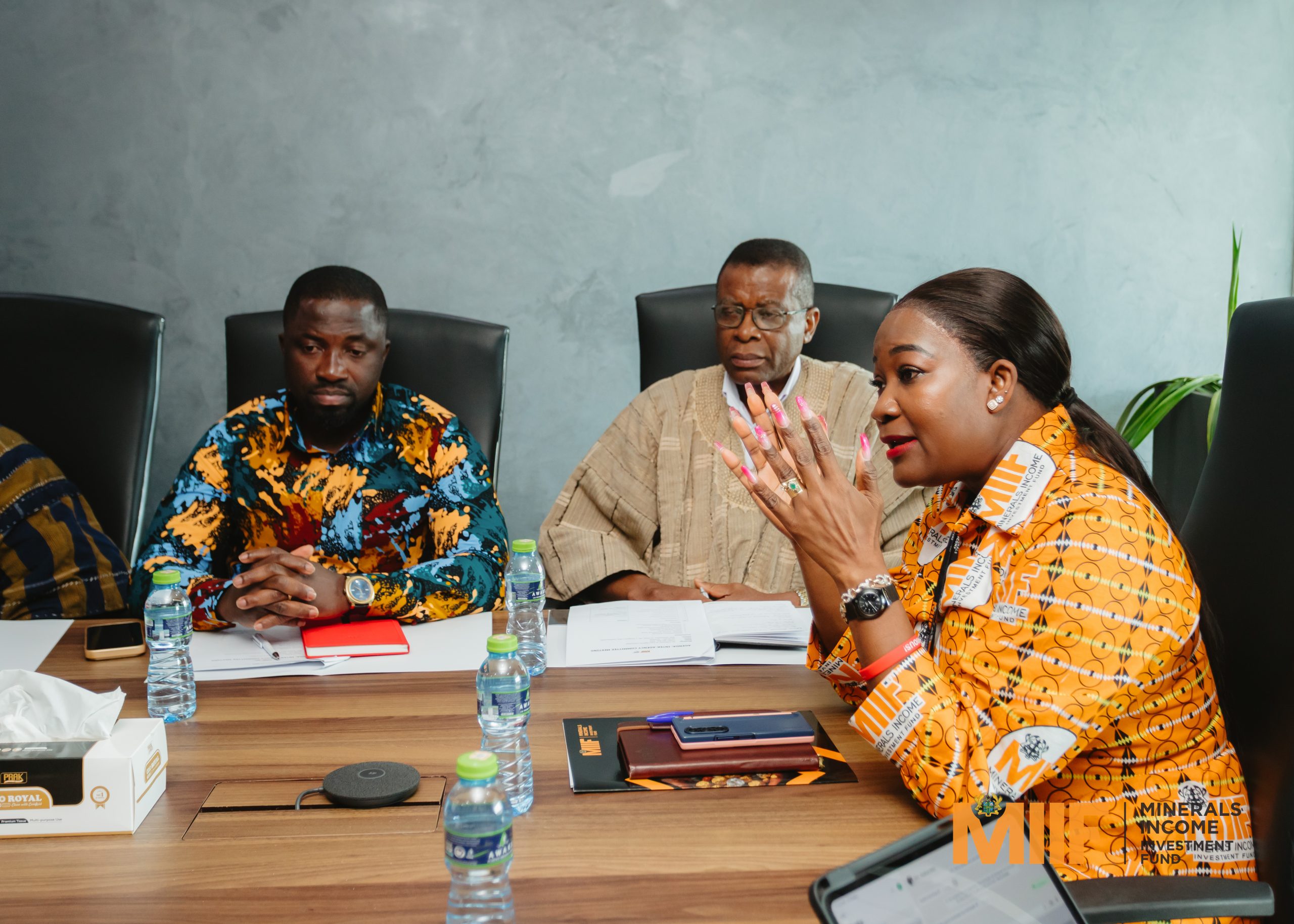
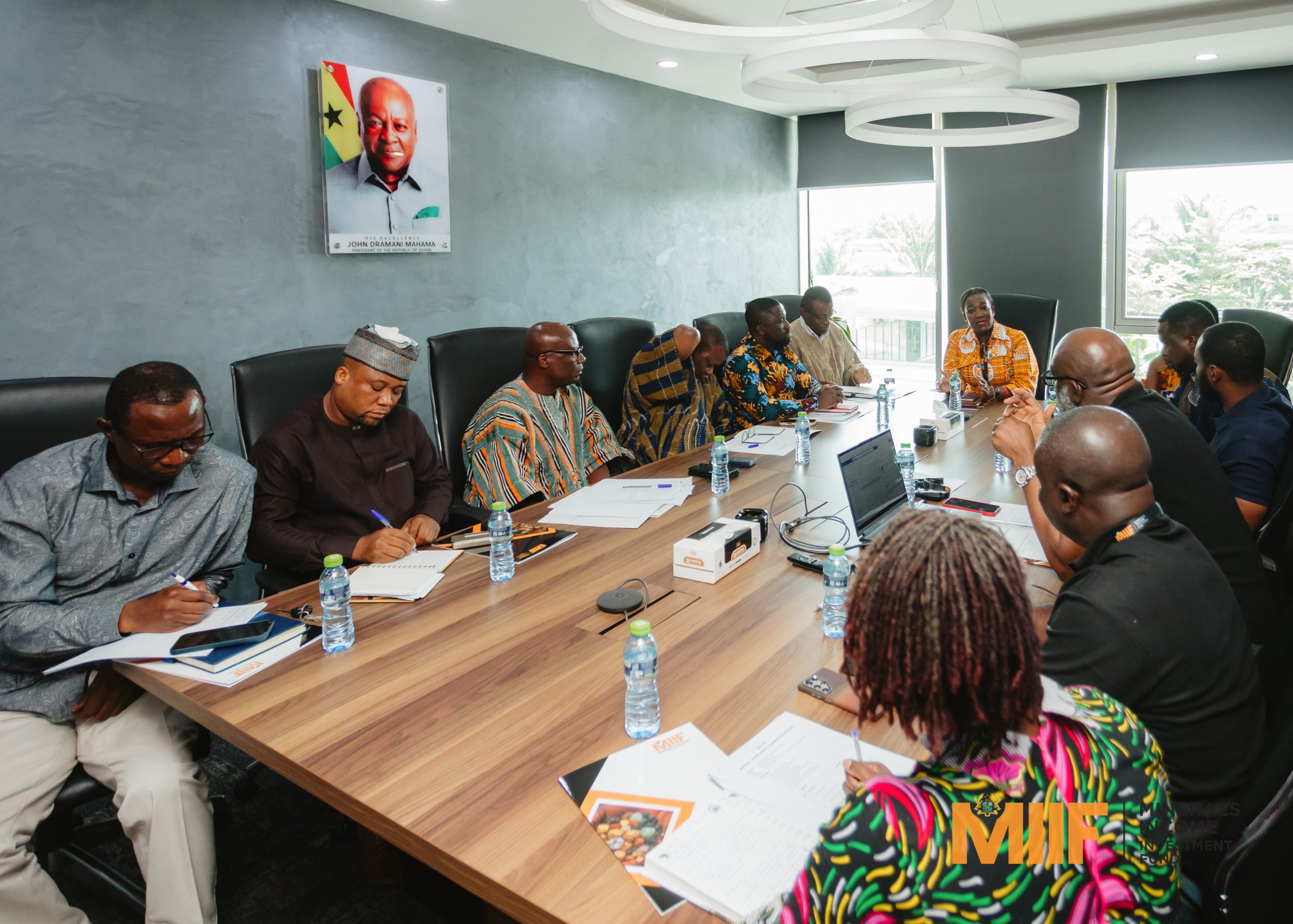
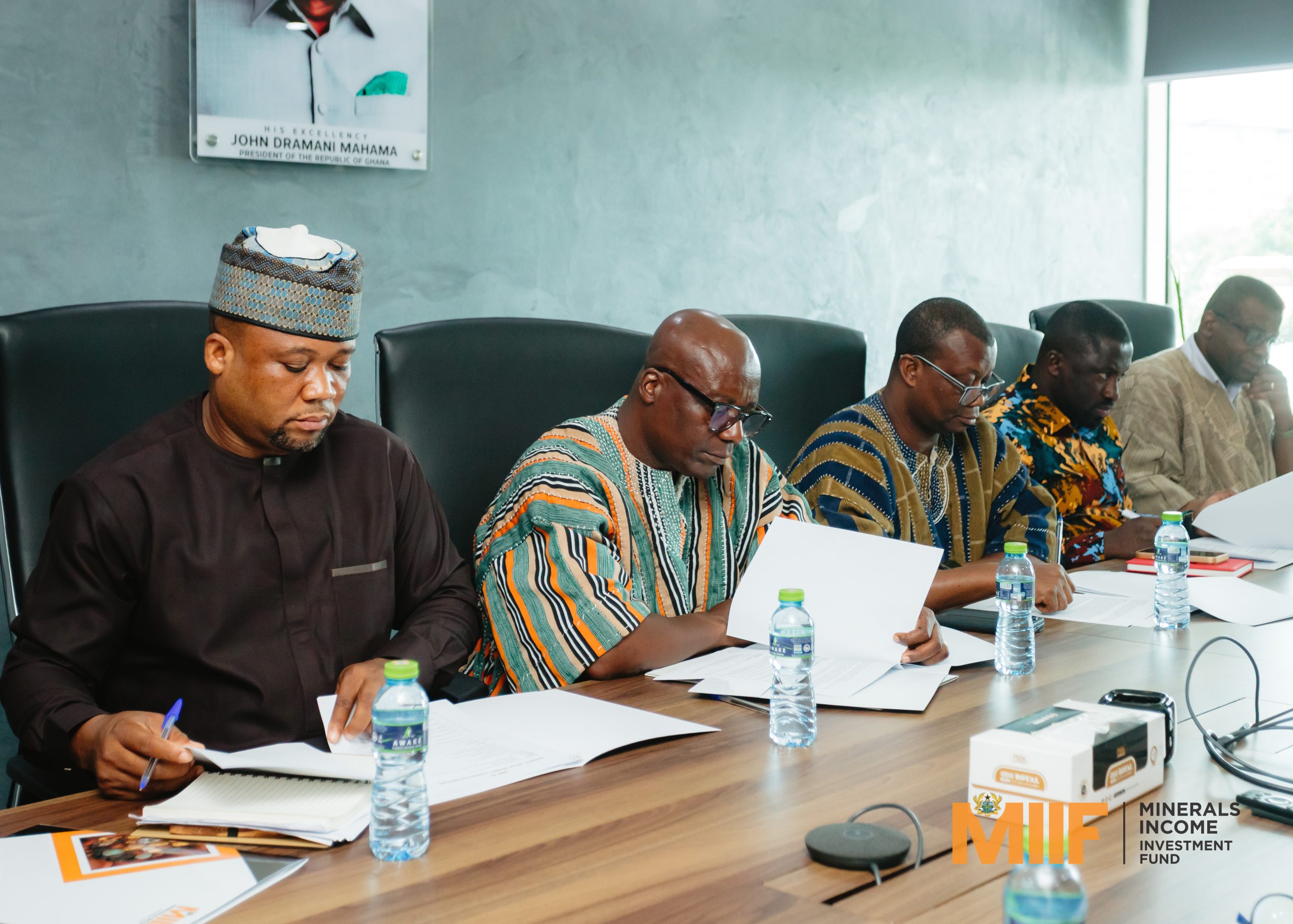
The Board and Management of the Minerals Income Investment Fund (MIIF) and some members of the Audit Committee have held a Strategy Planning Session as part of ongoing efforts to sharpen the Fund’s strategic focus and align leadership around its priorities for 2026.

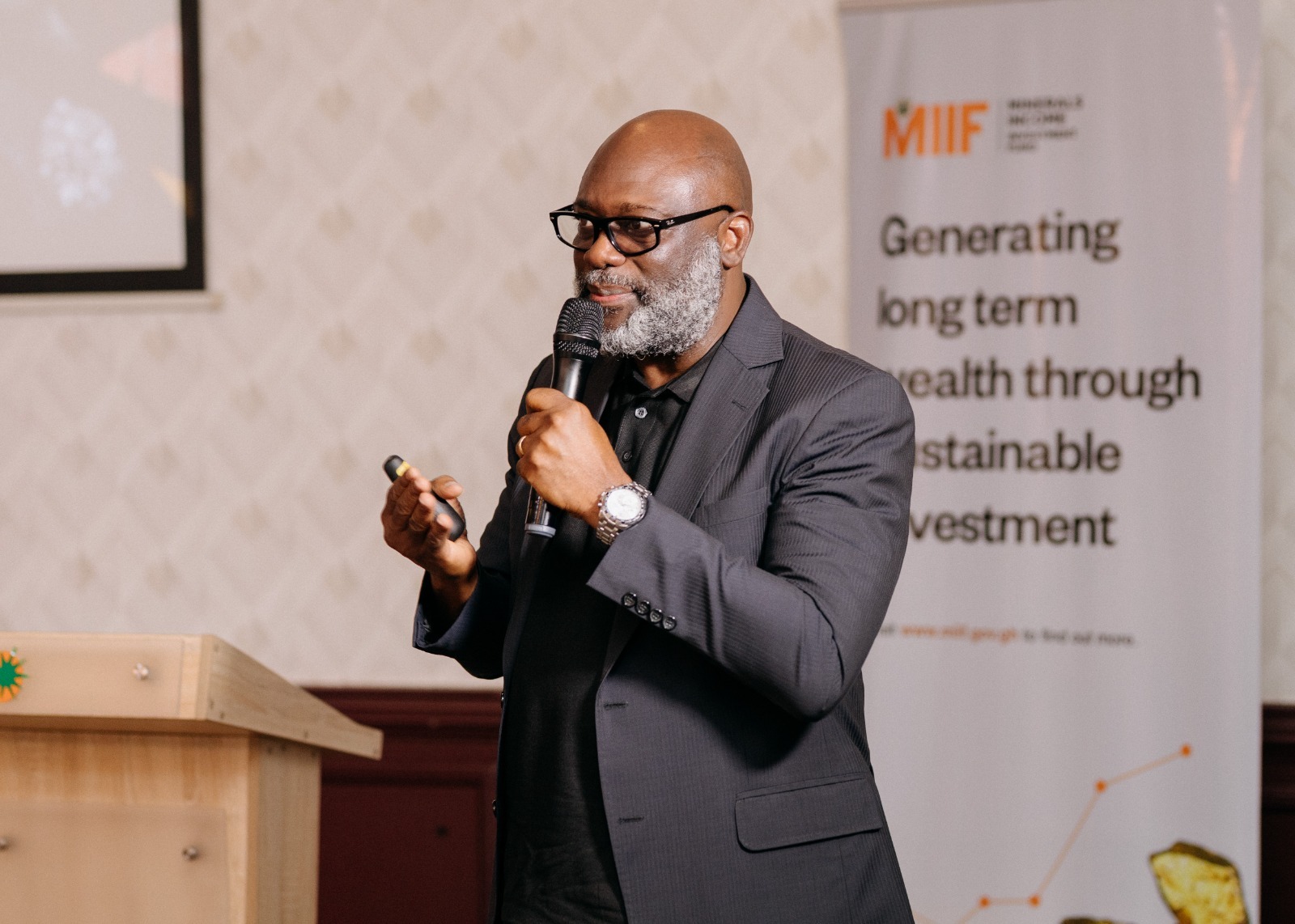
Opening the one-day session on Tuesday, January 27, 2026, the Board Chairman, Mr Richard Kwame Asante, reflected on the Fund’s significant achievements, particularly around royalty collections in which targets were exceeded last year and challenged Management to view the successes chalked as a foundation rather than a destination.

Mr Asante used the occasion to commend Management and staff of the Fund, on behalf of the Board, for the strong performance in 2025.

“However, as we all know, strong past performance is not a substitute for sound forward planning and the results now belong to the archives.

The terrain ahead is more complex and more constrained. Expectations are high, resources are tighter, and scrutiny is sharper,” he cautioned.

Mr Asante noted that; “Our collective responsibility, Board and Management alike, is to ensure that MIIF remains strategically focused, financially disciplined, and firmly anchored in its public mandate.

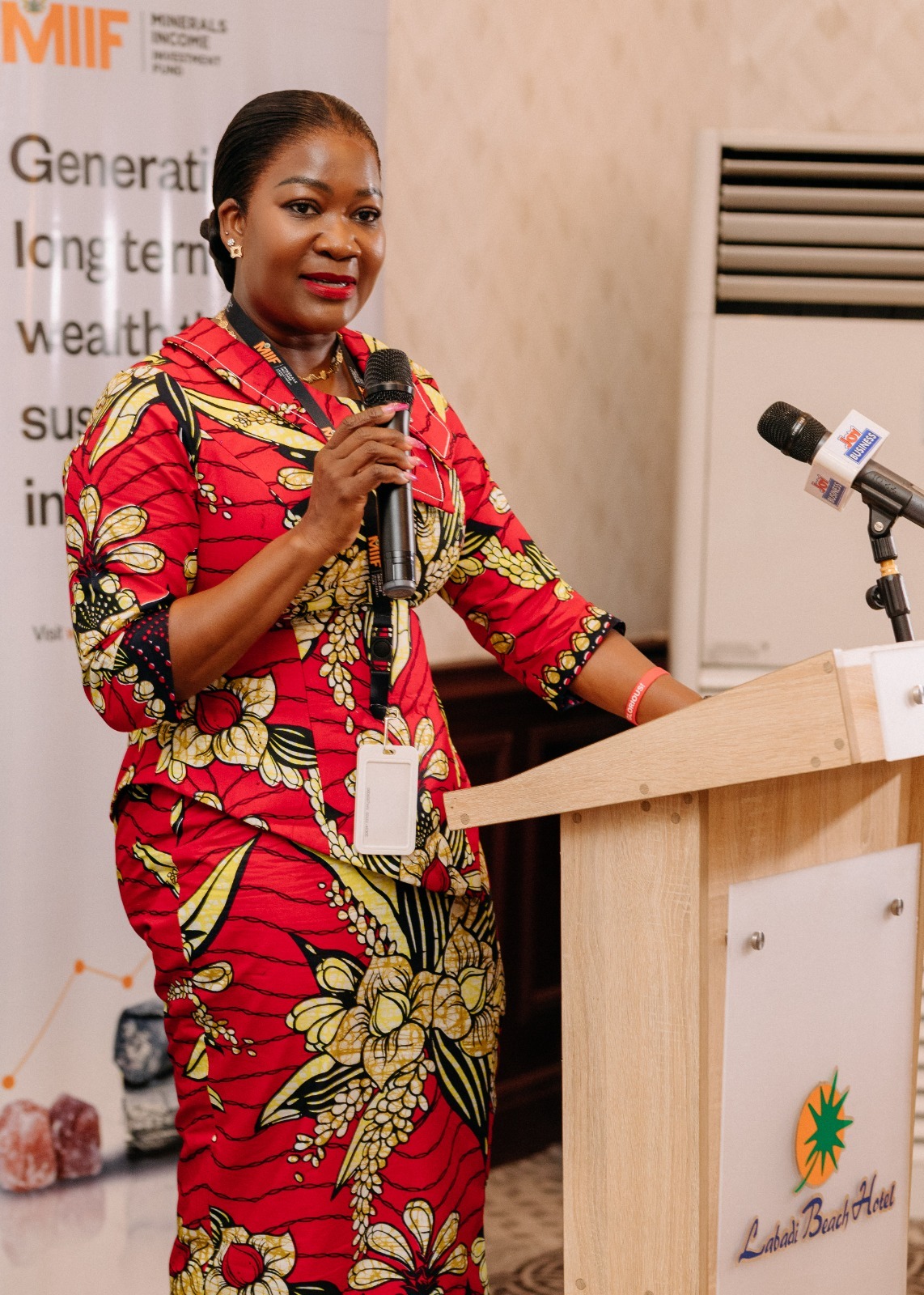
The Chief Executive Officer, Mrs Justina Nelson, called for renewed strategic focus and institutional agility as the Fund navigates a significantly altered operating environment.

She said the meeting marked a critical moment in the Fund’s journey, following major amendments to the Minerals Income Investment Fund Act (Act 978) that have reshaped its mandate and operating framework.

She reminded participants that MIIF was established as a sovereign wealth fund to maximise value from Ghana’s mineral resources in a transparent, responsible and sustainable manner for both present and future generations.

However, she noted that recent legislative changes, particularly the Minerals Income Investment Fund (Amendment) Act, 2025 (Act 1137), have introduced fundamental shifts that require careful strategic recalibration.

Mrs Nelson noted that the Fund enters the 2026 strategy cycle from a position of strength, having recorded strong financial and operational performance in the past year, supported by structural adjustments and managerial realignment.

She cautioned, however, that past successes must not breed complacency, as the road ahead is more complex and demanding.

The CEO acknowledged the insights shared by PriceWaterHouseCoopers (PwC) during the strategy session with a presentation focused on the topic; “Repositioning MIIF as a World-Class Mineral Fund”.

The presentation examined MIIF’s current Assets Under Management (AUM) across equities, alternative investments and money market instruments.

It also benchmarked MIIF against five leading sovereign wealth funds, the Norway Government Pension Fund Global, China Investment Corporation, Abu Dhabi Investment Authority, Kuwait Investment Authority, and the Hong Kong Monetary Authority, highlighting their early Assets Under Management (AUM) growth trajectory, diversified board sub-committees, robust governance frameworks, long-term investment horizons, rigorous risk management, ESG integration, and strong transparency and reporting practices.

Mrs Nelson also expressed gratitude to the various heads of departments of the Fund for their presentations.

The presentations aligned to the Fund’s three strategic pillars: increasing collections; driving investment and sustained growth; and strengthening governance and institutional capacity.

The MIIF CEO indicated that the inputs from PwC and the departmental heads will ensure that the resulting strategy is practical, integrated and executable.

The session featured an engaging question and answer segment, during which Mr Richard Hagan from the Internal Audit Committee offered further insights on good governance practices, while Mr Maxwell Asare-Brewu also from the Internal Audit Committee, proposed measures to explore the establishment of an IT Steering Committee within the Fund.

The Strategy Session featured breakout group discussions, group presentations, and the identification of actionable takeaways to support the effective delivery of MIIF’s strategic pillars during the year.


MIIF closes year celebrating hard work, gratitude and unity

On Friday, 19 December 2025, the Minerals Income Investment Fund (MIIF) closed the year with a heartwarming End-of-Year break ahead of the Christmas festivities.

The occasion provided staff with an opportunity to pause, reflect, and celebrate a year marked by strong leadership, dedication, teamwork, and collective effort.

The reflective session was facilitated by the Chief Executive Officer, Mrs Justina Nelson, who reviewed the year 2025, acknowledging the Fund’s successes by way of royalties collection as well as return on investments while drawing lessons from the experiences to further strengthen the Fund next year, 2026.

She commended staff for their resilience, professionalism, and unwavering commitment to the Fund’s mandate, emphasizing that every milestone reached was the result of teamwork and shared purpose. She encouraged staff to build on the momentum, strive for excellence, and do even more in the coming year.

Her message concluded with warm wishes for a Merry Christmas and a prosperous New Year.

Other members of Senior Management also took the opportunity to extend goodwill messages, thanking staff for their hard work and wishing everyone a joyful Christmas season. Their remarks reinforced a strong sense of unity, appreciation, and shared responsibility across the organisation.

Beyond the formal engagements, the celebration was filled with warmth and cheer. Staff participated in indoor games, enjoyed music, and broke bread – creating an atmosphere of relaxation, laughter, and friendship.

It was a moment to relax, re-connect, and celebrate the MIIF family spirit that forms the basis of the Fund’s work culture.


MIIF, Gold Fields Executives Hold Strategic Talks on Potential Investment Opportunities

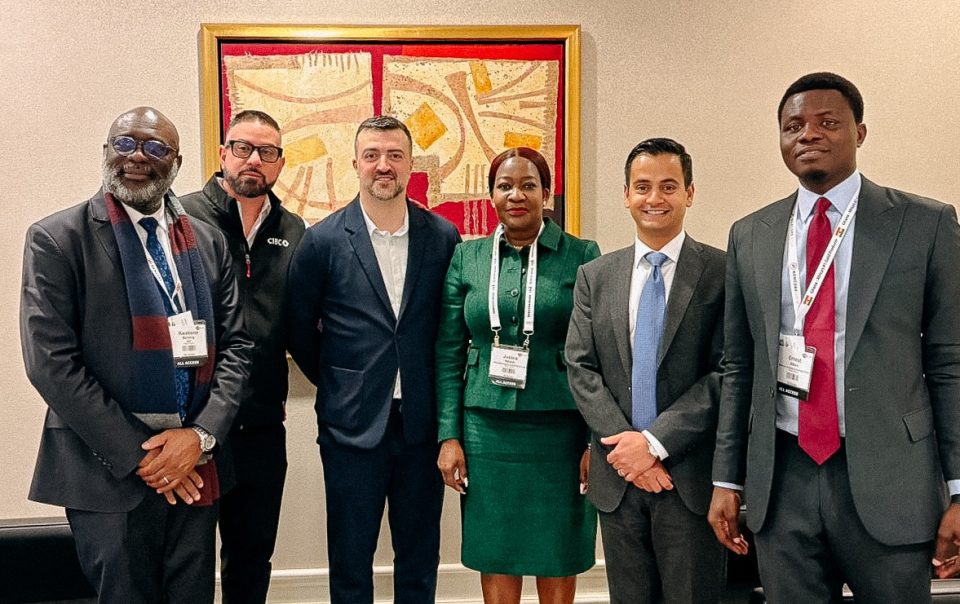
Accra, December 18, 2025 – Executives of Gold Fields Ghana met with their counterparts at the Minerals Income Investment Fund (MIIF or the Fund) on Thursday, December 18, 2025, to discuss the operations of the company, potential investment opportunities for the Fund, and areas of collaboration.


The discussions held on December 18, 2025, highlighted the critical role of Gold Fields’ investments in Ghana which accounts for 31% of Gold Fields’ global production.  

The delegation from Gold Fields Ghana Ltd was led by Mr Elliot Twum, Senior Vice President and Managing Director, Ms Emma Morrison, Regional Head, Corporate Affairs, and Mr William Empeh, Head, Human Resource.  

MIIF delegation was led by Mr Kwabena Barning, Chief Technical Officer, and other senior management members.  

Among the many things discussed in the meeting, Mr Twum, in his presentation, stressed on the pillars underpinning their strong track record of operational success, which will continue to drive contributions going forward.

The key success factors, he said, remain the presence of experienced technical and management team, robust organizational governance and Environmental, Social, and Governance (ESG) footprint which he elaborated on further during the discussion, the country’s significant resource potential, and their presence in a tier-one mining jurisdiction.  

“Collectively, these elements reflect their unwavering commitment to sustaining operations and advancing asset development in Ghana,” he added. 

Mr Twum on ESG, reflected on the company’s establishment of Ghana’s first mine foundation, the construction of a US$27 million for a 33km asphalted Tarkwa-Damang road, the US$13 million 10,000-capacity stadium, and rehabilitation of tailings storage into productive farmland.  

These efforts, he noted, earned the company the “Best Green Mine” and “Best Performer in Environmental Management” awards for 2024. 

The MIIF team expressed appreciation to Gold Fields for the engagement, emphasizing  MIIF’s keen interest in exploring future collaboration with Gold Fields through knowledge sharing, capacity building, and any other areas of mutual benefits.  

  • END
MIIF CEO Calls for Greater Inclusion of Women in Ghana’s Mining Sector

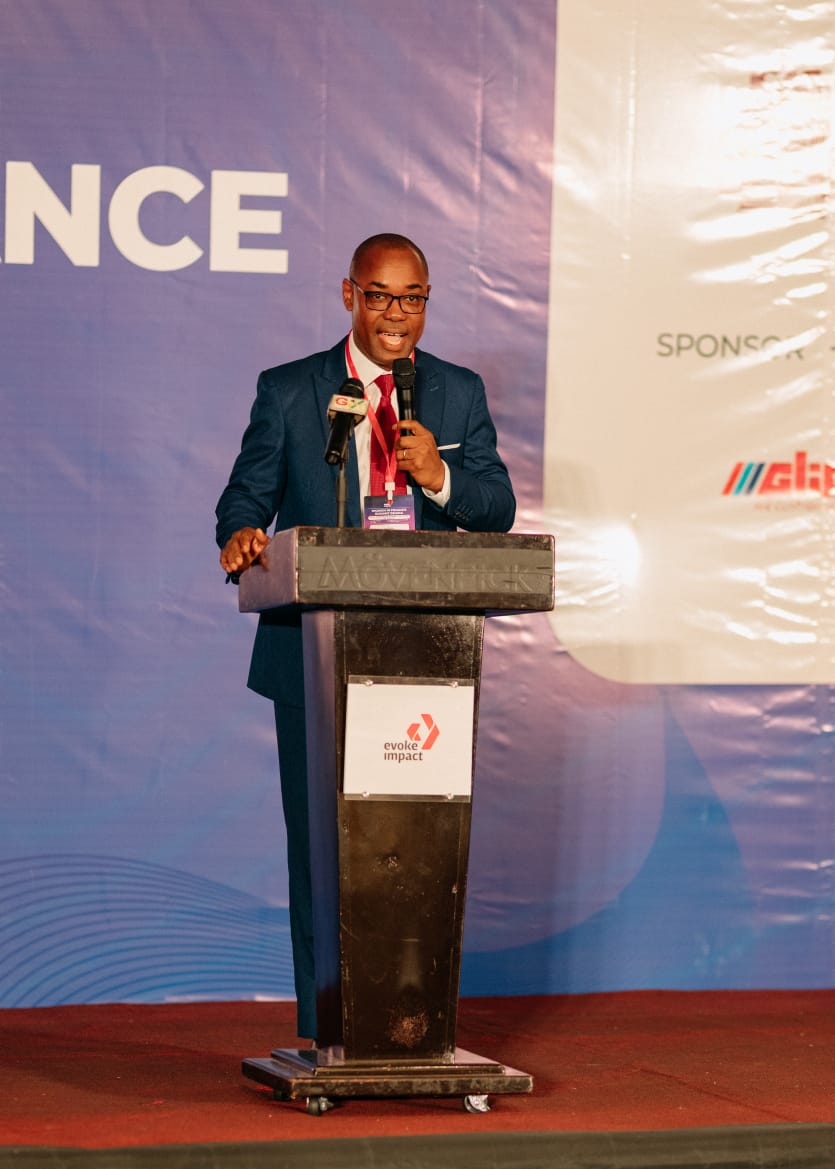
Accra, Ghana — The Chief Executive Officer of the Minerals Income Investment Fund (MIIF), Mrs Justina Nelson, has called for deeper gender inclusion, equity, and empowerment across Ghana’s mining value chain.

She argued that a more inclusive sector will not only advance gender equity but also strengthen productivity, innovation, and governance within the country’s mining ecosystem.

Her call is therefore a push for systemic change; one that ensures women are not just present in the industry, but fully empowered to lead, influence, and thrive.

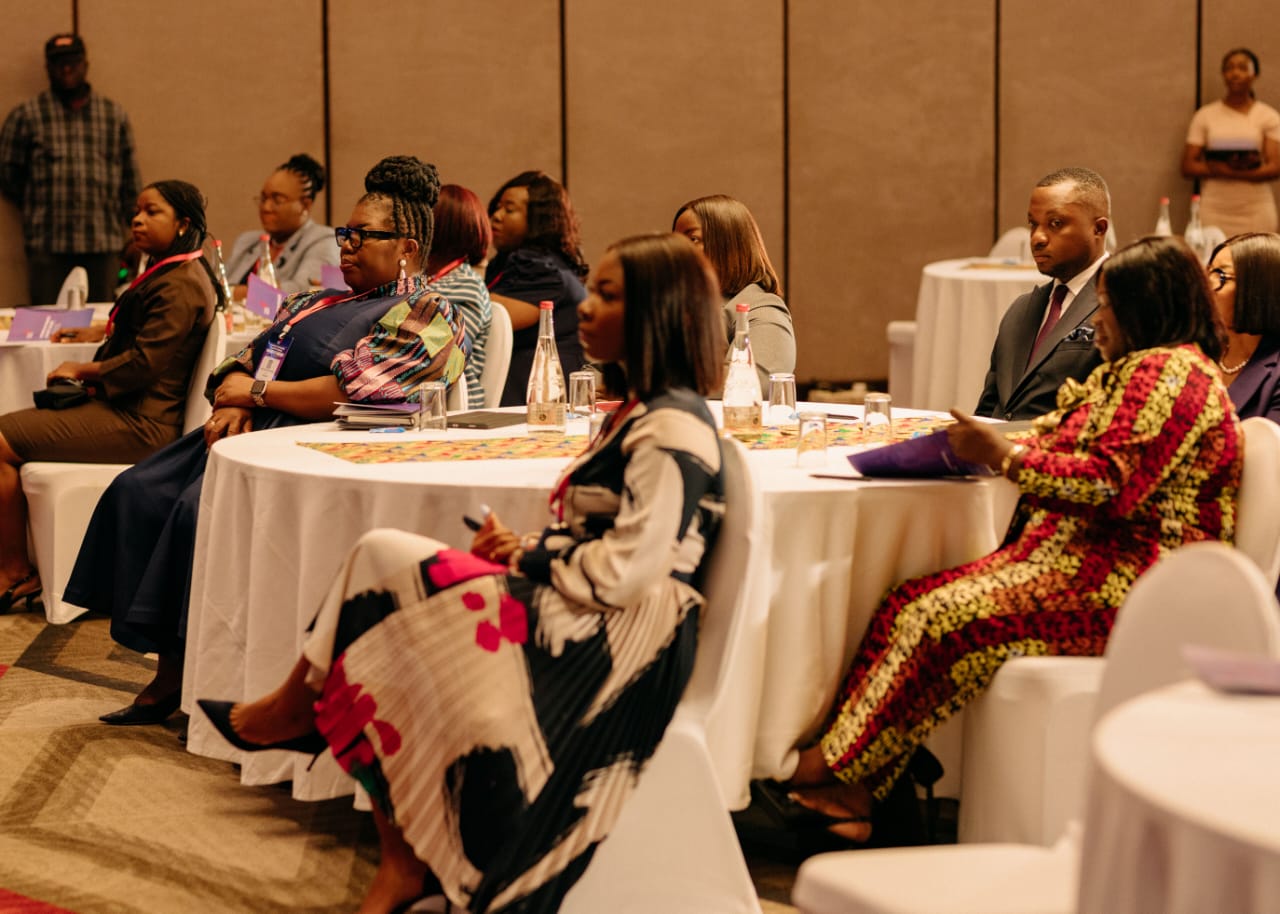
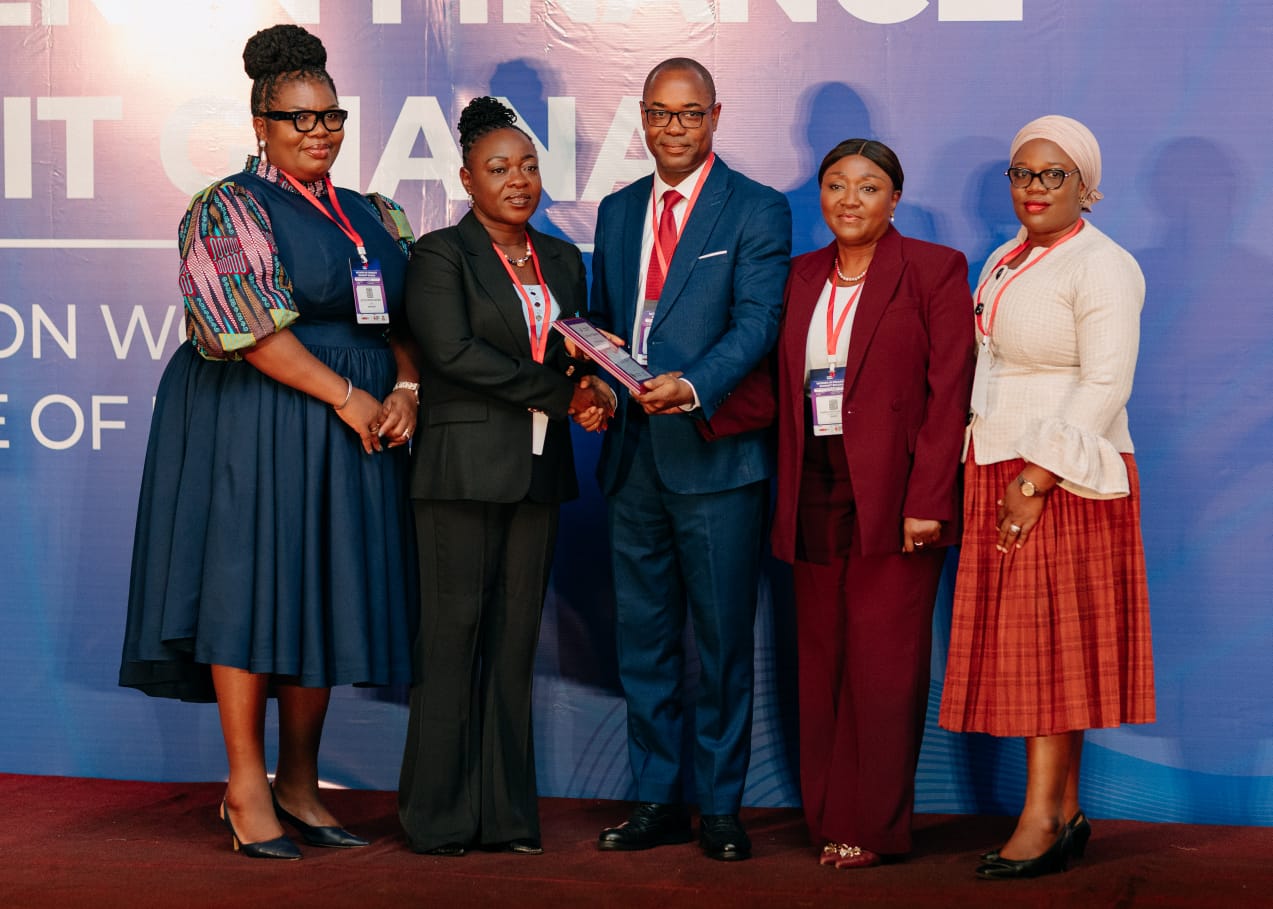
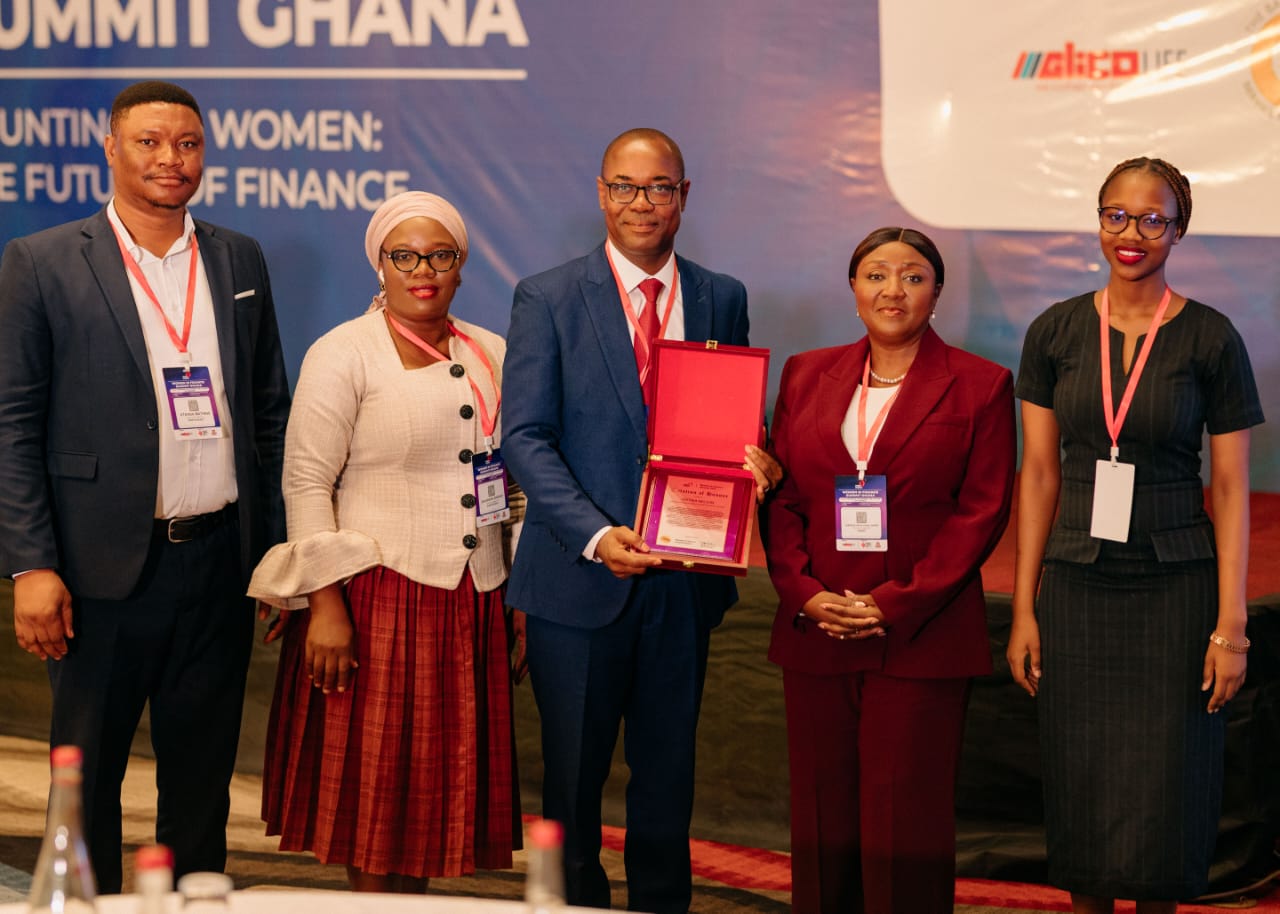
Speaking as the keynote guest, at the 10th anniversary celebration of Women in Mining Ghana (WIM Ghana) in Accra, Mrs Nelson commended WIM Ghana for a decade of “courage, resilience, and vision,” applauding the organisation for championing advocacy, leadership development, and opportunities for women in a historically male-dominated industry.

“Your work has helped shape national perceptions, amplified women’s voices, challenged stereotypes, and opened doors that were once firmly shut,” she said adding that; “MIIF salutes you.”

Drawing on the Ghana Chamber of Mines’ 2023 data, Mrs Nelson highlighted persistent gaps in women’s participation in mining.

Women account for: 9–10% of the large-scale mining workforce; 9% of contractor workforce; 10% of junior-level roles; 14% of senior positions; and 21% of professional roles

“These are interesting figures, but they are far from where we need to be,” she said.

Mrs Nelson outlined the critical challenges women continue to face in the mining industry, including inequitable earnings, gender bias, and harassment.

The MIIF CEO referenced her own experience since assuming office at MIIF since the beginning of the year.

“I have been bombarded with false publications and malicious attacks simply for putting things in their right perspective,” she told the gathering.

“I stand here today not as a victim, but as a woman who refuses to be distracted. Let us hold and defend one another for we are few at the top.”

Mrs Nelson reiterated the Fund’s commitment to ensuring an inclusive and progressive mining sector.

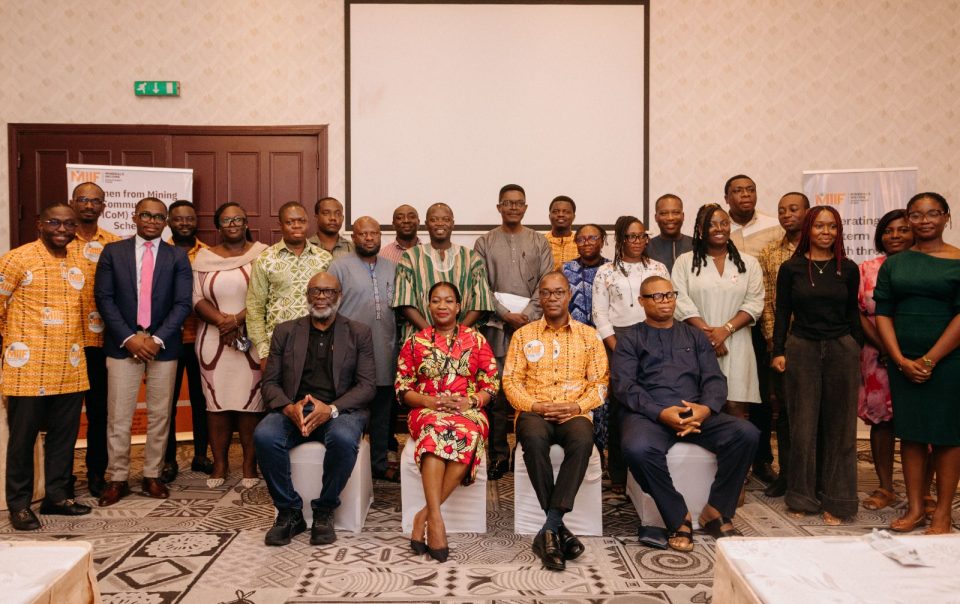
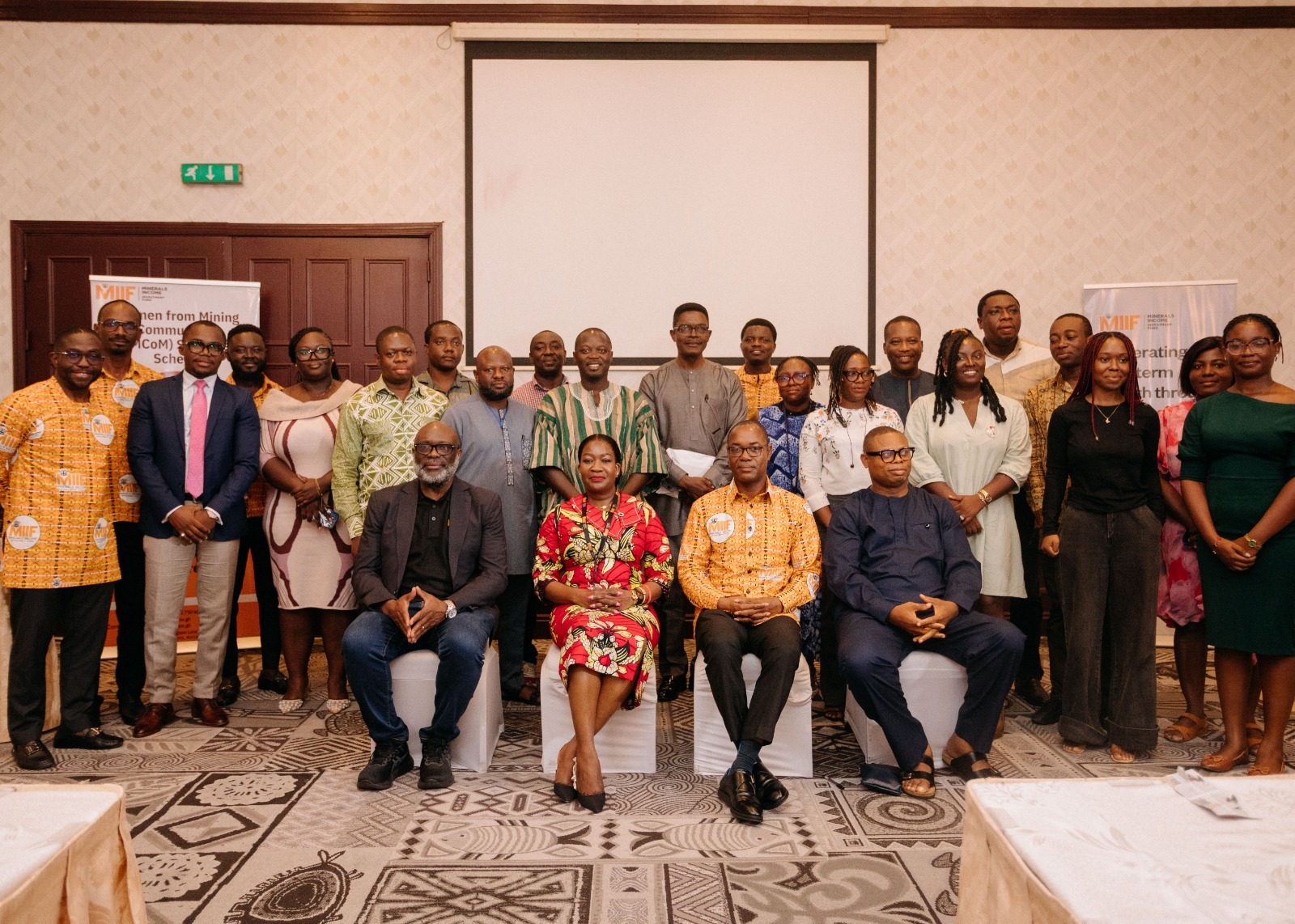
She mentioned the Women from Mining Communities (WoMCom) Scholarship Scheme, which supports brilliant but financially needy female STEM students.

Over 90 young women from the University of Mines and Technology (UMaT), Tarkwa, have already benefited.

MIIF will work to broaden collaboration with local and international partners to expand the scheme to universities in the middle belt and northern Ghana in 2026, depending on corporate Ghana for support.

“Our goal is to ensure that women from mining communities are not left behind in Ghana’s mineral-driven transformation,” she said.

Mrs Nelson used the opportunity to commend corporate Ghana for their support and expressed the hope that they will continue to collaborate with the Fund to uplift more women into the mining space as part of their Corporate Social Responsibility (CSR) initiatives.

MIIF also reported significant improvements in Ghana’s mineral royalty inflows for 2025, reflecting strengthened regulatory compliance and investor confidence.

Key highlights for the first three quarters of 2025 include:

  • Large-scale gold mining: US$291.87 million in royalties — 40.18% increase from 2024
  • Mid-tier gold operations: GH₵59.44 million — 46.38% rise
  • Manganese: US$12.75 million — 170% surge
  • Quarry industry: GH₵13.15 million — 13.12% growth
  • Sand mining: GH₵433,406.41 — 21.48% increase

“These figures underscore strong momentum in Ghana’s mineral revenue outlook,” she stated.

Mrs Nelson urged stakeholders to build a mining sector where women are respected, safe, visible, and empowered.

“As MIIF continues to secure Ghana’s mineral revenues, we stand ready to partner with Women in Mining Ghana to champion a future where gender does not limit potential,” she said.

She congratulated WIM Ghana on its 10-year milestone, expressing hope that the next decade will bring even greater transformation for women in the industry.

  • END
Misleading Use of CEO’s PAC Audio Clip

Download and read the Public Notice here.

Ghana, Zambia Hold Key to Rewrite Africa’s Mining Narrative – Justina Nelson

The Chief Executive Officer of the Minerals Income Investment Fund (MIIF or the Fund), Mrs Justina Nelson, has stated that Ghana and Zambia have a strong opportunity to collaborate to optimize their mineral resources for the benefit of present and future generations within their respective countries.

She noted that the two mineral-rich nations can also learn from each other’s experiences, share technical expertise, and explore co-investment opportunities in areas of mutual interest within the mineral value chain as they look forward to re-writing the narrative about the continent’s fledging mining sector.

Mrs Nelson made the observation when MIIF hosted the High Commissioner of the Republic of Zambia to Ghana, Mr Daniel Mahongo, and his delegation during a familiarization visit aimed at strengthening bilateral cooperation within Africa’s mineral value chain.

Welcoming the delegation, MIIF’s Chief Executive Officer, described the visit as a significant step toward deepening collaboration between Ghana and Zambia, two mineral-rich nations committed to transforming natural resource wealth into sustainable, long-term prosperity.

Mrs Nelson noted that MIIF, Ghana’s sovereign wealth fund for mineral revenues, remains focused on maximizing value from the country’s mineral portfolio, including gold, lithium, manganese, diamonds, and emerging critical minerals, through strategic investment, value addition, local content development, and intergenerational wealth creation.

She highlighted Zambia’s leadership in the copper and cobalt sectors and emphasized the mutual opportunities for learning, investment, and partnership across both countries’ mineral ecosystems.

During the meeting, MIIF through two elaborate presentations, shared insights into its governance structure, investment philosophy, and risk management frameworks, while the Zambian delegation outlined its priorities in export diversification, investment promotion, and economic transformation.

Both sides identified key areas for collaboration, including joint investments, technical cooperation, beneficiation strategies, and the development of Africa’s emerging 24-hour mining economy.

Consequently, MIIF proposed the establishment of a Joint Technical Working Group to advance these commitments.

Mrs Nelson expressed appreciation for the productive engagement, expressing confidence that the visit marks the beginning of a strong and enduring partnership that will deliver measurable benefits to both countries.

Mr Mahongo on his part, expressed gratitude to MIIF for the warm reception and opportunity to engage.

He reaffirmed Zambia’s commitment to leverage its mineral wealth for development, industrialization, and diversification, highlighting ongoing reforms in state participation, licensing, Artisanal Small-Scale Mining (ASM) formalization, and innovative investment vehicles.

He emphasized Zambia’s interest in learning from MIIF’s governance and portfolio strategies to enhance responsible and sustainable mineral income management.

The High Commissioner used the opportunity to outline Zambia’s openness to regional cooperation through Memorandum of Understanding (MoU), joint initiatives, and engaging the private sector in downstream mining, processing, and royalty-backed investments.

Mr Mahongo expressed confidence that stronger collaboration will support Zambia’s reform agenda, promote sustainable growth, and turn its mineral resources into long-term national prosperity.

Maximizing value from Africa’s mining wealth, a shared responsibility

– Reflections from the 2nd Zambia Mining and Investment INSAKA


By Justina Nelson, CEO, Minerals Income Investment Fund

For centuries, minerals on the African continent have long symbolized prosperity and potential. From Ghana’s gold to Zambia’s copper, South Africa’s platinum, and the Democratic Republic of Congo’s cobalt, the continent’s mineral endowment can be best described as a blessing to the continent.

Unfortunately, many resource-rich African nations still face persistent fiscal deficits, limited infrastructure, and constrained social development to say the least.

Architecture of revenue leakages

From production to export and taxation, revenue leakages occur at various stages of the mining value chain. According to the Intergovernmental Forum on Mining, Minerals, Metals and Sustainable Development (IGF 2018), fiscal losses from tax incentives alone have cost several African countries billions. In Sierra Leone, for example, tax concessions between 2014 and 2016 were estimated to equal the country’s entire 2014 budget deficit (IGF, 2018).

In Ghana, the state loses a lot of money due to transfer pricing manipulation and under-declaration of mineral exports. The Ghana Extractive Industries Transparency Initiative (GHEITI) on the mining sector for 2021/2022 shows that, differences in declared export values allegedly pointed to cases of under-invoicing. In the Democratic Republic of Congo (DRC), the OECD (2022) also found that illegal mineral exports through informal routes made up more than 20% of total production in some regions.

These losses, known as fiscal leakages, often occur because of aggressive tax practices; where companies use complex but legal methods to avoid paying their fair share of taxes. This includes shifting profits to low-tax countries, overstating expenses, or using tax holidays to reduce payments. Other leakages happen when companies underreport production or inflate costs. In addition, corruption and weak oversight often prevent mining revenues from being used for national development.


Transfer pricing and cost of complexity

A particularly complex challenge lies in transfer pricing abuse where multinational mining companies shift profits to low-tax jurisdictions. The African Tax Administration Forum (ATAF) estimates that Africa loses over US$50 billion annually to such illicit financial flows. In the mining sector, this often takes the form of undervalued mineral exports, excessive management fees, or inter-company loans with unrealistic interest rates.

This means that sector-specific transfer pricing regulations, tailored to the realities of mineral valuation, are most needed. Zambia has introduced mining-specific rules requiring benchmarking of export prices against international commodity indices, a practice that has improved transparency and reduced disputes with mining companies. Ghana is following suit by strengthening its Transfer Pricing Unit within the Ghana Revenue Authority to focus on high-risk sectors such as gold, manganese and bauxite.

Beyond these tax reforms, training tax officials in mineral economics, advanced auditing, and establishing specialized extractive-industry audit units as recommended by ATAF and the United Nations Economic Commission for Africa (UNECA) will help African countries better detect and prevent profit shifting.


Technology and transparency

Ghana is doing a lot when it comes to the use of technology and ensuring transparency. It is, therefore, clear that digital transformation offers Africa an unprecedented opportunity to plug leaks in the mining value chain. Blockchain-based mineral tracking, satellite monitoring, and digital export valuation systems can drastically improve oversight. Mozambique, for example, has begun linking export declarations to real-time global commodity prices, ensuring fair valuation.

The Minerals Income Investment Fund (‘MIIF or the Fund’) is championing similar digital approaches by integrating data from the Minerals Commission, Ghana Revenue Authority, and Bank of Ghana to enhance transparency in royalty flows and investment returns. The aim is to ensure that every ounce of mineral extracted translates into measurable national value.

At the continental level, it is a known fact that, initiatives like the African Mining Legislation Atlas (AMLA) and the African Union’s Green Minerals Strategy (2023) provide frameworks for harmonizing regulations and promoting transparency across jurisdictions. When paired with the Extractive Industries Transparency Initiative (EITI)’s disclosure requirements, these innovations can illuminate the financial and operational blind spots that allow revenue losses to persist.


Continental case studies

At the just-ended Zambia Mining and Investment INSAKA 2025, the Zambian President Hakainde Hichilema pointed out that his government has prioritized transparency in mining agreements, publishing all contracts and reviewing royalty frameworks to ensure fairer distribution of returns. The INSAKA of which MIIF participated clearly underscored the need for data-driven governance and regional cooperation to combat illicit financial flows.

South Africa presents another instructive case; the South African Revenue Service (SARS) has established specialized transfer pricing units and adopted advanced data analytics to track financial discrepancies in mineral exports. Combined with robust collaboration between the Department of Mineral Resources and the Treasury, this has strengthened compliance and revenue forecasting.

Meanwhile, Ghana’s MIIF model, established under the Minerals Income Investment Fund Act, 2018 (Act 978) as amended, has become an example of how sovereign wealth management can secure long-term benefits from finite resources. MIIF invests part of Ghana’s mineral income into strategic sectors, stabilizing fiscal inflows and building intergenerational wealth.


Data usage

Accurate mineral valuation begins with reliable data. This is why governments must invest in modern laboratories, geological surveys, and digital reporting systems. Training of geoscientists, customs officials, and financial auditors is very important in the maximization of value from Africa’s mineral wealth. The World Bank’s Extractives Global Programmatic Support (EGPS) revealed that countries with robust technical systems for mineral reporting earn up to 20% more in mining-related revenues than those without.

Regional cooperation matters. Collaborative platforms such as the African Minerals Development Centre (AMDC), can help countries share expertise, standardize data protocols, and align valuation methodologies. When mineral data is transparent, credible, and comparable across borders, illicit trade becomes far harder to conceal.

 

Recommendation

Beyond preventing leakages, African nations must manage their mining revenues wisely. Resource-backed sovereign wealth funds, such as Ghana’s MIIF, Botswana’s Pula Fund, and Angola’s Sovereign Wealth Fund, helps to stabilize economies against commodity shocks. By investing in diversified assets, infrastructure, and local value addition, these funds transform mineral wealth into long-term national prosperity.

Furthermore, leveraging on digital revenue-tracking systems, integrated with customs, finance, and mining databases, ensures that every transaction is recorded, audited, and traceable. For example, Blockchain-based traceability solutions are already being piloted in the Democratic Republic of Congo’s (DRC’s) cobalt supply chain, improving accountability in one of the world’s most least transformed markets.


Conclusion

Judging from the various occurrences around Africa’s minerals, it is evident that natural resources are not a curse; they are an opportunity. However, that opportunity must be seized with foresight, discipline, and cooperation. By plugging revenue leakages, enforcing transparency, and building regional capacity, African nations can ensure that their vast mineral wealth funds schools, hospitals, roads, jobs, and builds a future for the unborn and not illicit outflows or offshore accounts.

As stewards of the continent’s resources, we must commit to this new paradigm of accountability. Collaboration among tax authorities, investors, civil societies, and multilateral partners is key. The Minerals Income Investment Fund, and institutions like it across the continent, stand ready to lead that charge, transforming Africa’s mineral endowment into a foundation for inclusive and sustainable development.

MIIF ends Breast Cancer Awareness Month with webinar

The Minerals Income Investment Fund (MIIF) concluded its Breast Cancer Awareness Month activities with a symbolic ceremony at its head office on Friday, October 31, 2025. The event marked the culmination of a month-long campaign aimed at deepening awareness about breast cancer and promoting regular screening among staff.

The ceremony symbolized the Fund’s commitment to fostering conversations around women’s health in the workplace.

Speaking at the gathering, Chief Executive Officer of MIIF, Mrs Justina Nelson, emphasized the critical importance of vigilance and early detection.

“What you don’t know can hurt you,” she said, urging all staff to prioritize regular self-examinations and medical check-ups.

Throughout October, MIIF implemented several initiatives to engage and educate staff on breast cancer awareness.

These included the distribution of educational materials highlighting key facts and preventive measures, as well as a special message from the Head of Human Resources and Administration, Ms Rosetta Asmah, emphasizing the importance of early detection and support for those affected.

The centerpiece of the campaign was an informative webinar conducted in partnership with The Bank Hospital and led by Dr. Wisdom Effiong, who provided expert insights on breast cancer symptoms, treatment options, and lifestyle practices that can reduce risk.

The initiative reflects MIIF’s broader commitment to employee well-being and corporate social responsibility, underscoring the Fund’s belief that a healthy workforce is essential for sustainable national development.

PAC Commends MIIF CEO for Honesty, Competence, institutional reforms

The Chairperson of the Public Accounts Committee (PAC) of Parliament, Abena Osei Asare, has highly commended the acting Chief Executive Officer of the Minerals Income Investment Fund (MIIF), Mrs Justina Nelson, for her forthrightness, competence, and commitment to institutional reform.

At the Committee’s sitting today to review the Auditor-General’s Report on MIIF for the year ended December 31, 2023, Mrs Nelson earned her praise as she impressed members with her detailed explanations to issues flagged, exhibited a sound grasp of financial regulations, and demonstrated proactive efforts to address audit infractions inherited from the previous managers of the Fund.

Ms Osei Asare particularly commended Mrs Nelson for demonstrating both honesty and technical depth in her responses as she took turns to answer a barrage of questions and enquiries from the members of the committee.

“I’m not commending you because you are a woman but because you’re competent,” she said. “You came well prepared. You quoted the sections, you knew what you had done, what you hadn’t done, and what you couldn’t do in your capacity,” the PAC Chairperson said.

Reforms

Mrs Nelson who appeared with members of her management team, including the Chief Finance Officer, Mr David Awuah Mensah, Director of Internal Audit, Mr Martin Adjei, Head of Procurement, Ms Theresa Gyasi Antwi and Head of Legal, Ms Louisa Quaicoe, outlined a series of measures introduced to strengthen MIIF’s governance and compliance framework.

She disclosed that MIIF had established a Compliance Unit and a Risk Department as part of broad reforms to enhance internal controls and prevent future breaches in procurement and financial management.

On the issue of a $3.8 million advance payment made to Commodity Monitor Limited for mercury-free gold processing equipment, exceeding the statutory 15 per cent threshold, Mrs Nelson admitted that the transaction contravened the Public Financial Management (PFM) Regulations but clarified that it predated her administration.

However, she added that the contract had since been fully executed, with the equipment delivered and operational. Lessons from that incident, she noted, had informed MIIF’s current strict adherence to procurement laws.

Gold Trade and Royalties Recovery

Touching on MIIF’s gold trading activities, Mrs Nelson explained that the Fund had piloted gold trading in 2023 with three aggregators and later expanded to five, a development that generated approximately GH¢8 million in revenue.

She noted that following the establishment of the Gold Board, MIIF had transitioned the aggregators to the new agency and ceased direct gold trading to enable the Fund to remain within its legal mandate.

She further confirmed that all outstanding royalties amounting to GH¢29 million, as cited in the audit report as outstanding, had been fully recovered, while previously unaccounted payments of GH¢39,043 had been reconciled with supporting vouchers and receipts submitted to the Auditor-General.

Mrs Nelson added that MIIF had discontinued the use of restricted procurement for high-value contracts and now with the new amendment of the PFM Act, all procurement plans are submitted to the Ministry of Finance for prior approval in line with regulatory requirements.

Leadership and Institutional Culture

Responding to questions about her leadership style, Mrs Nelson described her relationship with staff as cordial, collaborative, and professional, emphasizing mutual respect and teamwork.

She acknowledged past false social media speculation about internal friction but stated that those issues had long been dealt with, noting that the MIIF team remains cohesive and dedicated to the Fund’s reforms and performance objectives.

Mrs Nelson reaffirmed MIIF’s commitment to transparency, accountability, and prudent management of Ghana’s mineral income to support national development priorities.

Visibly impressed, members of the Committee took turns to urge Mrs Nelson to maintain her reform-driven leadership and continue strengthening systems for effective management of the Fund.

MIIF Partners Internal Audit Agency to Strengthen Audit Response Skills

Accra, October 23, 2025 — The Minerals Income Investment Fund (MIIF) has reaffirmed its commitment to transparency, accountability, and operational excellence with a two-day internal training programme on the theme “Effectively Responding to Audit Queries.”

The training led by the Internal Audit Agency, forms part of MIIF’s institutional capacity-building framework and brought together staff across departments to deepen their understanding of audit processes and improve the quality and timeliness of responses to audit queries.

In her opening remarks, the Chief Executive Officer of MIIF, Mrs. Justina Nelson, underscored the importance of the training, noting that robust internal controls and sound audit practices are the backbone of every credible financial institution.

“Accountability is not merely a word to us at MIIF. It is part of our core values; the very currency of public trust,” Mrs. Nelson emphasized. “Every decision we make, every cedi we manage, and every process we undertake must meet the highest standards on behalf of the people of Ghana.”

Mrs. Nelson further noted that the Fund’s ability to respond to audit queries clearly, promptly, and accurately reflects not only its technical competence but also its culture of transparency and integrity. She encouraged participants to actively engage in the training, share departmental experiences, and apply the lessons learned to strengthen MIIF’s institutional systems.

Mrs. Nelson commended the Internal Audit Department and facilitators of the training for their dedication and partnership in strengthening MIIF’s systems, adding that the Fund’s pursuit of excellence must remain uncompromising.

“The systems we strengthen here will not only make our work more efficient, they will make MIIF stronger, more credible, and better positioned to fulfill our mandate,” she concluded.

Adding his voice, Mr Senanu Mensah, the acting Director, Technical, Research, Monitoring and Evaluation at the Internal Audit Agency and one of the resource persons, cautioned public servants to be deliberate and precise in their audit responses.

“In responding to audit queries, public servants must be guided by what they report, because they do not know where their responses will end up,” he said. “It is therefore important that such responses are succinct and free of ambiguities to avoid misinterpretation or unintended consequences.”


The training, coordinated by MIIF’s Internal Audit Department in collaboration with the Internal Audit Agency, is expected to enhance staff capacity in documentation, reporting, and adherence to regulatory and procedural standards.


123456
Page 2 of 6


Quick Links

About Us
Leadership
Investments
Reports
CSR

Services

Contact Us
Resources & Tools

Newsletters

Facebook Linkedin Twitter
Copyright © 2025 MIIF
Developed by